In today’s global marketplace, purchasing products from overseas suppliers has never been easier.
With just a few clicks, businesses can source furniture, kitchenware, electronics, beauty products, toys, and thousands of other items from manufacturers around the world.
Because buying products has become so convenient, many importers make a common assumption:
If I can buy it, I can ship it.
Unfortunately, international logistics doesn’t always work that way.
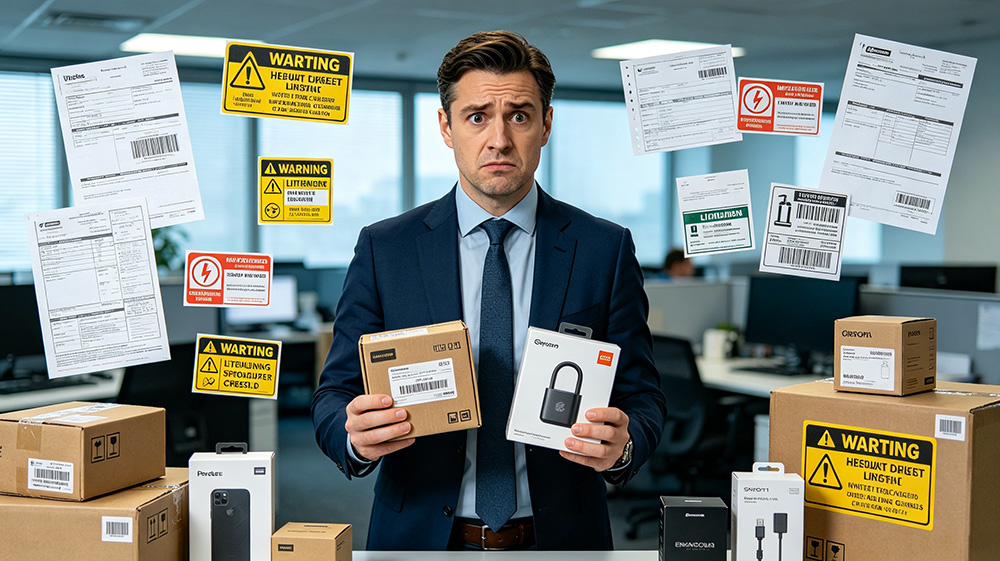
One of the most expensive mistakes importers make is discovering shipping restrictions, compliance requirements, or customs issues after production is complete and the cargo is ready to move.
Buying a Product and Shipping a Product Are Two Different Things
Purchasing a product is a commercial transaction.
Shipping a product internationally is a compliance process.
Before cargo can move across borders, it may need to satisfy transportation regulations, customs requirements, product standards, safety certifications, and intellectual property laws.
A product that can be legally sold online may still face restrictions when transported internationally.
This often surprises first-time importers.
Common Products That May Require Additional Attention
Many products appear ordinary but involve special shipping or customs requirements.
Products Containing Lithium Batteries
Battery-powered products are among the most frequently misunderstood cargo categories.
Examples include:
- Wireless speakers
- Power banks
- Bluetooth devices
- Electronic tools
- Smart home products
Because lithium batteries can pose transportation risks, airlines and shipping companies often require additional documentation and handling procedures.
Without proper compliance, shipments may be delayed or rejected.
Branded Products
A product carrying a well-known trademark may require authorization from the brand owner.
Importing branded products without proper authorization can lead to:
- Customs inspections
- Cargo seizure
- Financial penalties
- Destruction of goods
Many importers only discover this requirement after the shipment has already been prepared.
Food Products
Food imports often require additional regulatory review.
Requirements may include:
- Ingredient declarations
- Product labeling
- Registration requirements
- Health and safety compliance
Import regulations can vary significantly between countries.
Cosmetics and Beauty Products
Products such as:
- Skincare items
- Makeup
- Beauty treatments
may require ingredient disclosure, labeling compliance, or regulatory approval before entering certain markets.
Medical and Health-Related Products
Medical devices, supplements, and healthcare-related products frequently face strict import requirements.
Additional certifications or approvals may be necessary before customs clearance can be completed.
Why These Problems Are Expensive
The biggest issue is not usually the compliance requirement itself.
The biggest issue is discovering the requirement too late.
Imagine this scenario:
A company places a large order.
Production takes 30 days.
The cargo is packed and ready.
The vessel booking is confirmed.
Then someone asks:
“Do we need any certifications for this product?”
At that point, several costly outcomes become possible:
- Shipping delays
- Missed sales opportunities
- Storage charges
- Additional inspection fees
- Rework costs
- Shipment cancellation
The earlier compliance issues are identified, the easier and less expensive they are to solve.
Questions Smart Importers Ask Before Ordering
Experienced importers often evaluate shipping requirements before they place an order.
Common questions include:
Can this product be legally imported?
Import regulations differ between countries and product categories.
Are special documents required?
Some products require certifications, testing reports, licenses, or declarations.
Does the product contain restricted components?
Batteries, chemicals, magnets, liquids, and certain materials may affect transportation options.
Does the product involve intellectual property rights?
Brand authorization may be required for trademarked goods.
Are there destination-country restrictions?
Some products are acceptable in one market but restricted in another.
Logistics Planning Should Start Early
One of the most valuable ways to avoid import problems is to involve your freight forwarder before production is completed.
An experienced logistics partner can often identify:
- Documentation requirements
- Transportation restrictions
- Packaging recommendations
- Customs compliance risks
- Destination-country regulations
Early planning allows importers to address issues before cargo is manufactured, packed, and ready for shipment.
Final Thoughts
International trade has made purchasing products easier than ever.
However, moving products across borders remains a complex process that involves far more than simply placing an order.
Successful importing requires both sourcing knowledge and logistics knowledge.
Before committing to a supplier or production order, make sure you understand the shipping and compliance requirements involved.
Because in global trade, the ability to buy a product does not automatically guarantee the ability to ship it.