One of the most common reactions importers have when they hear the words “customs inspection” is:
“What went wrong?”
Many immediately assume there was a mistake made by the freight forwarder, shipping line, customs broker, or supplier.
However, the reality of international shipping is often very different.
A customs inspection does not automatically mean someone made a mistake.
In many cases, inspections are simply part of the customs clearance process and can happen even when all documents are accurate and the shipment is fully compliant.
Understanding why inspections occur can help importers manage expectations, reduce frustration, and make better logistics decisions.
What Is a Customs Inspection?
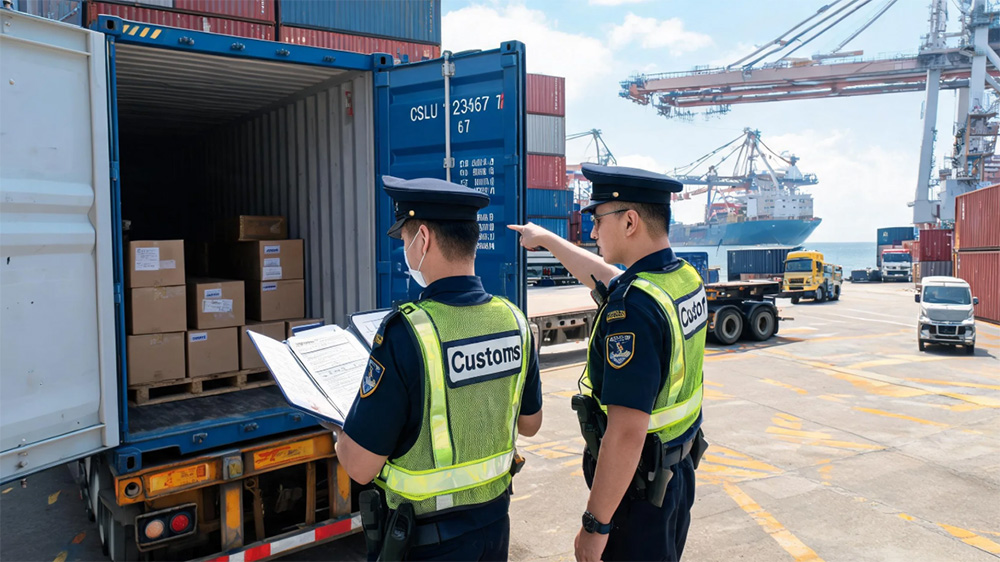
A customs inspection occurs when customs authorities decide to review a shipment more closely before releasing it.
Depending on the situation, this may involve:
- Reviewing shipping documents
- Verifying cargo descriptions
- Examining product labels
- Opening cartons
- Physically inspecting cargo
- Confirming compliance requirements
The purpose is to ensure that imported goods comply with applicable laws, regulations, safety requirements, and duty assessments.
Why Customs Selects Shipments for Inspection
Many importers assume inspections only happen when there is a problem.
In reality, customs authorities inspect shipments for a variety of reasons.
Random Selection
Some shipments are selected entirely at random.
Customs agencies use risk management systems, but they also perform random inspections to maintain oversight across all import categories.
Even a perfectly documented shipment can be selected.
Product Category Risk
Certain products naturally receive more attention than others.
Examples may include:
- Electronics
- Battery-powered products
- Food products
- Cosmetics
- Medical products
- Children’s products
- Branded merchandise
These categories often have additional compliance requirements.
Value Verification
Customs authorities may review shipments if they believe the declared value requires additional verification.
This does not necessarily mean the value is incorrect.
It simply means customs wants further confirmation.
Intellectual Property Concerns
Products carrying trademarks, logos, or protected designs may receive additional scrutiny.
Customs agencies actively monitor counterfeit and unauthorized branded goods.
First-Time Importers
New importers may experience more reviews simply because customs has limited historical data associated with their importing activity.
What Customs Inspections Do Not Automatically Mean
Importers often misunderstand what an inspection actually indicates.
A customs inspection does not automatically mean:
❌ The freight forwarder made an error
❌ The customs broker filed incorrect documents
❌ The supplier violated regulations
❌ The shipment is being penalized
❌ The cargo will be seized
In many situations, inspections conclude successfully and the shipment is released without any issues.
Why Blaming the Freight Forwarder Is Not Always Fair
Freight forwarders are often the first people importers contact when an inspection occurs.
Questions such as:
- “Why did customs stop my cargo?”
- “What did you do wrong?”
- “Why is my shipment being inspected?”
are common.
However, customs authorities operate independently.
Neither freight forwarders nor shipping lines control inspection decisions.
Even when documentation is prepared correctly, customs agencies retain the authority to inspect any shipment entering the country.
How Importers Can Reduce Inspection Risks
Although inspections cannot be completely avoided, importers can reduce unnecessary risks by following best practices.
Use Accurate Product Descriptions
Avoid vague descriptions such as:
- Parts
- Accessories
- Samples
- General merchandise
Specific descriptions help customs understand the shipment.
Declare Accurate Values
Consistent and supportable valuations reduce the likelihood of additional review.
Maintain Complete Documentation
Ensure invoices, packing lists, certificates, and supporting documents are accurate and consistent.
Understand Product Requirements
Verify whether products require:
- Certifications
- Testing reports
- Brand authorizations
- Regulatory approvals
before shipping.
Work With Experienced Logistics Partners
Professional freight forwarders and customs brokers can identify potential compliance issues before cargo moves.
The Real Cost of an Inspection
An inspection does not always result in penalties, but it can create additional costs such as:
- Delayed delivery
- Storage charges
- Examination fees
- Missed inventory deadlines
This is why preparation remains important even when a shipment is fully compliant.
Final Thoughts
Customs inspections are a normal part of international trade.
While some inspections occur because of documentation errors or compliance concerns, many are simply the result of customs procedures, risk management systems, or random selection.
The key for importers is not to assume that every inspection represents a logistics failure.
Instead, focus on proper documentation, accurate declarations, and compliance planning.
Because in international shipping, a customs inspection is not always a sign that something went wrong.
Sometimes it is simply part of the process.