
Global oil markets have recently experienced sharp volatility. Benchmarks such as Brent Crude Oil and West Texas Intermediate have both surged above $100 per barrel, driven largely by geopolitical tensions in the Middle East.
For businesses importing goods from China to the United States, rising energy prices often raise one key concern:
Will ocean freight rates increase again?
Fuel Costs Are a Major Factor in Shipping
Container vessels operating on long-haul routes such as the Trans-Pacific trade lane consume significant amounts of marine fuel.
A large container ship can burn over 150 tons of fuel per day while crossing the Pacific. When crude oil prices rise, bunker fuel prices follow, increasing operating costs for shipping lines.
This typically results in:
- Bunker adjustment surcharges
- Freight rate adjustments
- Capacity management by carriers
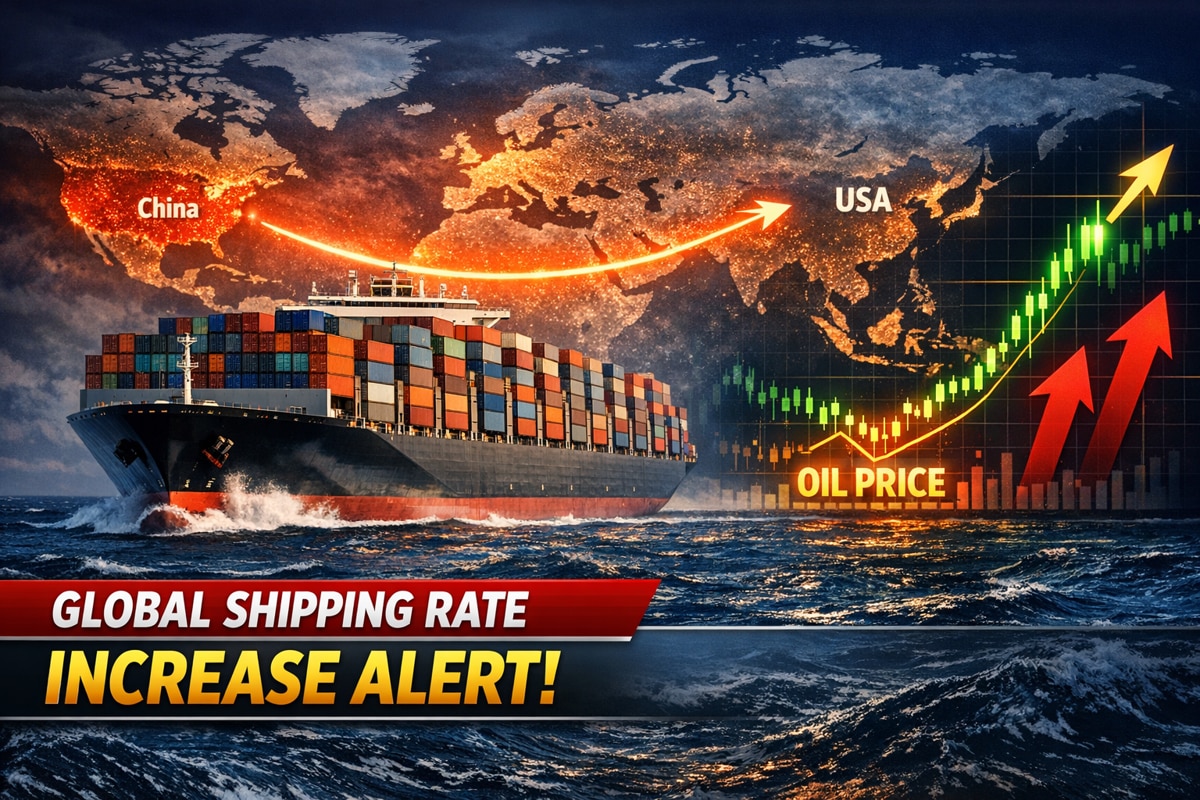
Market Signals: Possible Freight Increase This Week
According to recent market discussions among freight forwarders and carriers, there are indications that:
Ocean freight rates for shipments from China to the U.S. may increase by approximately $450–$500 per container after 24:00 on the 9th of this month.
While official carrier announcements may vary, the market is already anticipating adjustments due to:
- Rising fuel costs
- Ongoing geopolitical risks
- Early signs of tightening capacity on certain routes
What Importers Should Do Now
For U.S. importers sourcing products from China, proactive planning can help control logistics costs.
Recommended actions include:
- Confirm shipping schedules earlier
• Secure freight bookings before rate adjustments
• Work with freight partners who monitor market trends closely
Even small timing differences in booking can sometimes save hundreds of dollars per container.
Outlook for the Coming Weeks
Freight markets remain sensitive to:
- Energy price fluctuations
- Global trade demand
- Shipping line capacity strategies
If oil prices remain elevated for an extended period, freight rates on major trade lanes could gradually trend higher.
For importers, staying informed and booking strategically will be key to maintaining competitive landed costs.