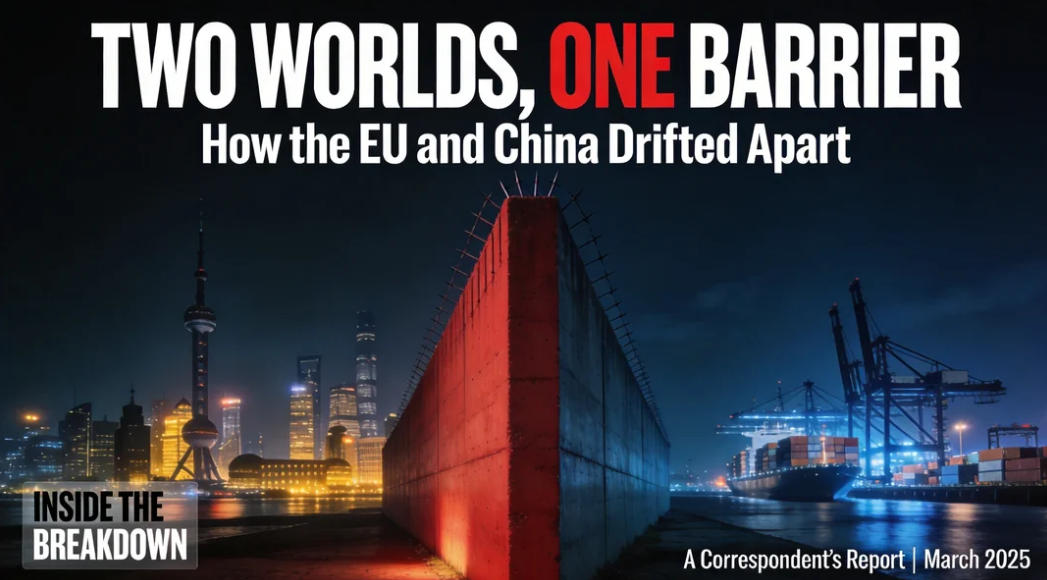
“Open the market—or face countermeasures.” That is the message behind the European Parliament’s latest position on China.
On October 7, 2026, the European Parliament adopted a recommendation calling for greater economic reciprocity and a proportionate EU response if China fails to improve market access for European businesses. The vote was 454 in favour, 86 against and 110 abstentions.
The move comes as EU trade officials hold high-level talks with Beijing over market access and the growing trade imbalance. However, the parliamentary recommendation does not itself impose new tariffs. Any specific trade measures would require further action through the relevant EU procedures.
What should importers watch?
- Tariff and trade-defense measures
Future developments could affect certain product categories through additional duties or other trade restrictions. - Customs and product compliance
Correct HS/HTS classification, origin documentation and product-specific requirements remain essential when importing from China into Europe. - Total landed cost
Freight rates are only one part of the equation. Import duties, customs-related charges, compliance costs and final delivery can all affect your margins. - Supply-chain flexibility
Importers should monitor policy developments and prepare for possible changes without making sourcing decisions based on headlines alone.
The takeaway
EU–China trade relations are facing renewed pressure, but tougher political language does not automatically mean every Chinese product will face higher tariffs.
For European importers, the practical priority is to stay informed, verify the rules that apply to each product and calculate the full landed cost before placing an order.