Which industries dominate trade between Europe and China?
Eurostat’s 2025 figures provide a useful starting point. The EU’s leading exports to China were concentrated in machinery, electrical equipment, vehicles, precision instruments, and pharmaceutical products.
Together, these five product groups represented 59.8% of the EU’s total goods exports to China.
The Top 5 EU Export Categories
| Rank | Product category | Export value | Share |
| 1 | Machinery, mechanical appliances, and parts | €45.3 billion | 22.7% |
| 2 | Electrical machinery and parts | €29.0 billion | 14.5% |
| 3 | Vehicles and related products | €16.4 billion | 8.2% |
| 4 | Optical, precision, and medical instruments | €15.1 billion | 7.5% |
| 5 | Pharmaceutical products | €13.6 billion | 6.8% |
Source: Eurostat, 2025 trade statistics.
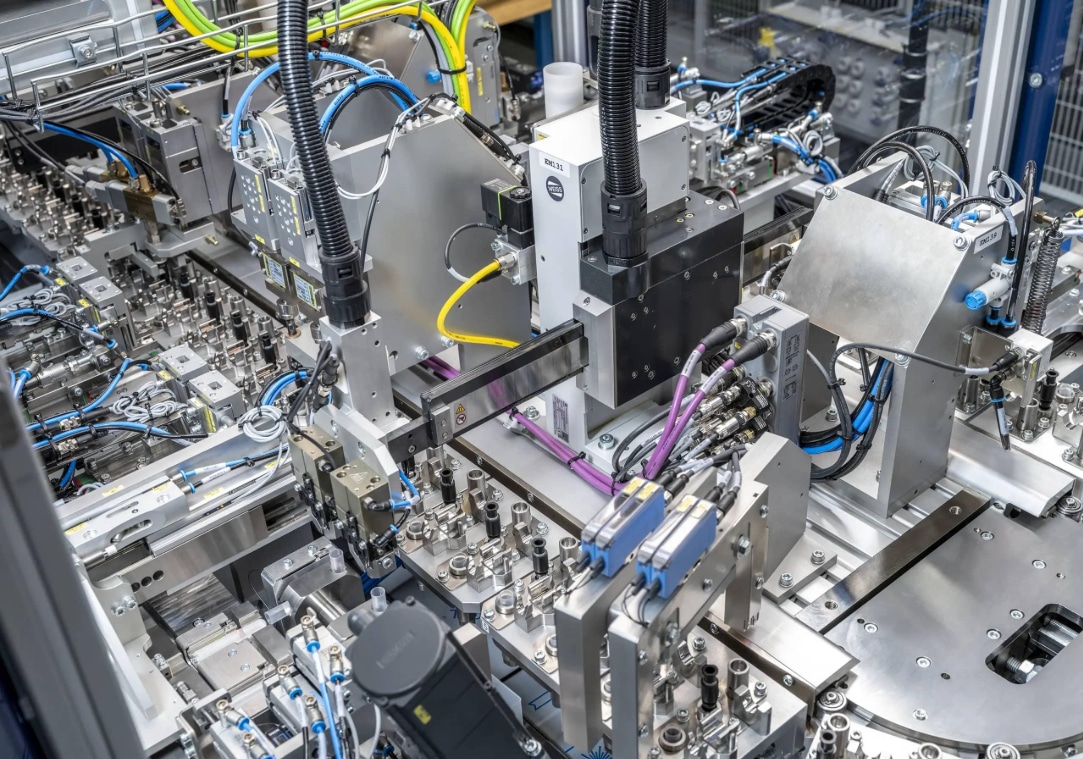
- Machinery: High Value and Complex Handling
Machinery was the largest EU export category to China, accounting for €45.3 billion.
Industrial machinery can involve heavy weights, non-standard dimensions, delicate components, and specialized loading requirements. Depending on the equipment, businesses may need reinforced packaging, crating, lifting plans, or project cargo services.
For logistics planners, accurate dimensions and gross weight are essential before selecting transport and handling arrangements.
- Electrical Equipment: Packaging and Compliance Matter
Electrical machinery and components accounted for €29 billion in EU exports to China.
This category covers a wide range of products, and requirements vary considerably by product type. Importers and exporters should confirm the applicable customs classification, product documentation, and transport restrictions before dispatch.
For sensitive equipment, packaging and cargo protection should be considered alongside transit time and freight cost.
- Vehicles and Parts: Timing Across Multiple Suppliers
Vehicles and related products represented €16.4 billion in EU exports to China.
Automotive supply chains often involve multiple suppliers and strict production schedules. A delay in one component can affect downstream manufacturing.
Coordinating supplier readiness, export documentation, and transport schedules is therefore particularly important for automotive cargo.
- Precision Instruments and Pharmaceuticals: Product-Specific Planning
Precision instruments and medical equipment may require shock protection, controlled handling, or specific documentation.
Pharmaceutical products can have additional requirements, such as temperature control and validated handling procedures, depending on the product.
These shipments should be planned according to their actual specifications rather than treated as ordinary general cargo.
What These Figures Mean for International Logistics
The top five categories demonstrate that China-EU trade is not limited to low-cost consumer products. Industrial machinery, electronics, vehicles, medical instruments, and pharmaceuticals all contribute to bilateral trade.
However, export value alone does not tell us how much cargo moves by sea, air, rail, or road. Different products have different values, weights, dimensions, and delivery requirements.
The practical lesson: Effective international logistics begins with understanding the cargo. Product type, packaging, shipment dimensions, customs classification, and delivery deadlines should all inform the transport plan.
Source: Eurostat, “Trade in goods with China in 2025,” April 10, 2026.