Blog

Blog

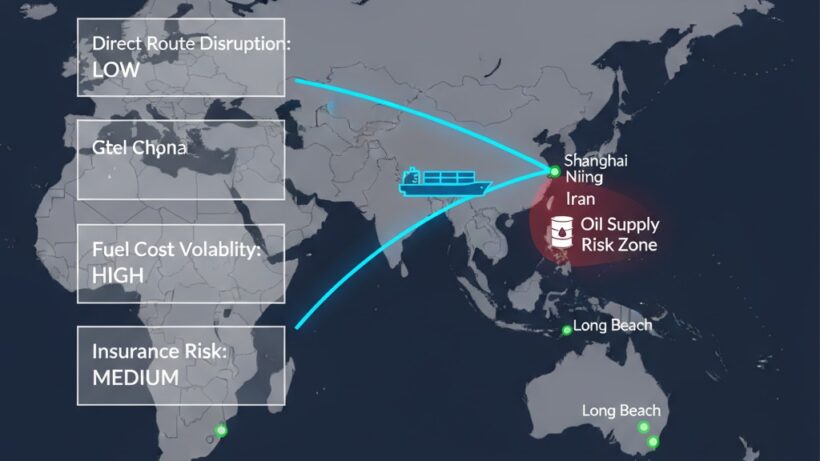
U.S. Military Strikes on Iran: What It Means for China–U.S. Logistics

Global logistics is highly sensitive to geopolitical volatility. If the United States conducts military strikes against Iran, the immediate theater of conflict may be the Middle East—but the ripple effects can extend deep into China–U.S. supply chains. For importers, freight forwarders, and supply chain managers moving cargo between China and
Blog

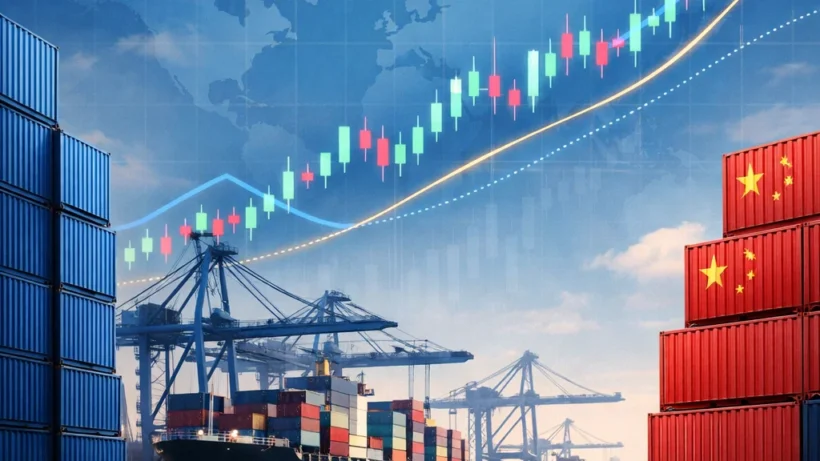
RMB Strength, Fed Rate Cuts & U.S.–China Trade

What It Means for Importers, Exporters, and Freight Forwarders The offshore RMB (CNH) has been strengthening steadily and is now approaching the 6.83 level against the U.S. dollar. Since early last year, the RMB has been on a sustained upward trend—even after tariff-related developments and ongoing trade friction. With market

Blog

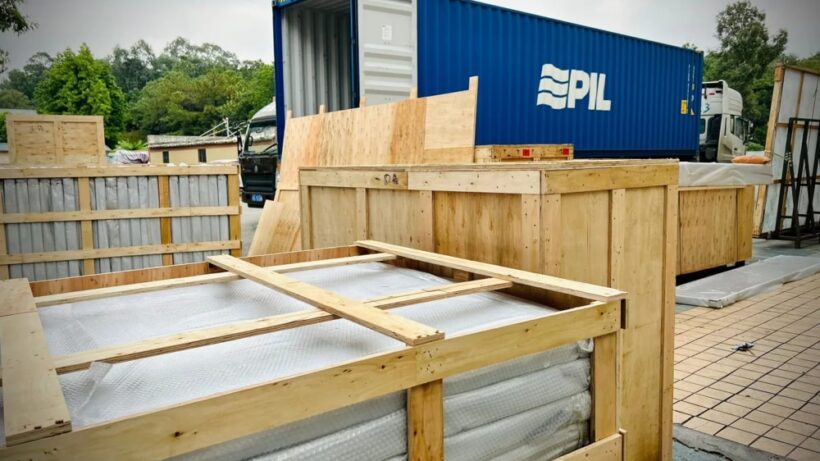
A Practical Guide to Shipping Building Materials & Windows Internationally

What Exporters and Importers Need to Know Before Shipping Doors and windows are classic high-value, bulky, and damage-sensitive building materials. In cross-border trade, the real challenge is not whether they can be shipped—but how to ship them safely, compliantly, and cost-effectively. Based on real shipping cases, here’s a practical breakdown

Blog

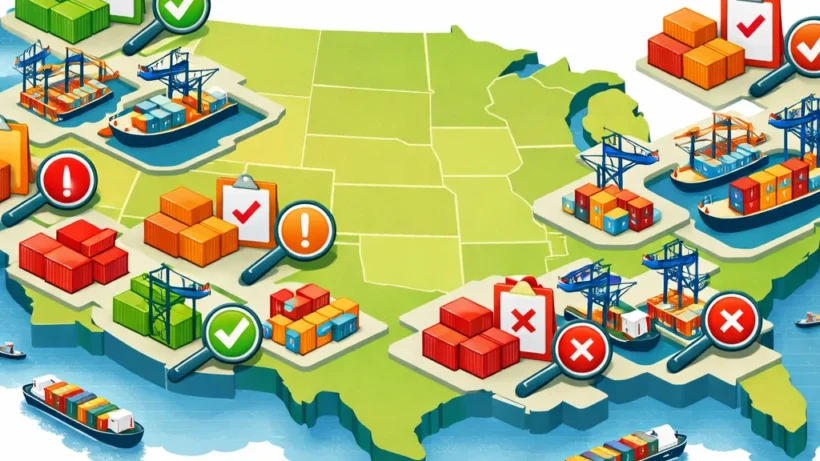
U.S. Ports with Elevated Customs Inspection Activity (2024–2025)

Baltimore Port — High Inspection Frequency Baltimore has been repeatedly reported with significantly elevated random inspection rates, sometimes cited as high as ~60% in industry sources. Customs here frequently scrutinizes value declarations and importer identity as part of routine enforcement. Key issues: Value discrepancies Importer documentation Compliance verification New York

Blog

Which Products Are Now Essentially in a “Pre-Inspection” Status?

In today’s trade environment, many importers still ask the same question: “Can this product be shipped?” The more relevant question is often: “How likely is it to be inspected?” For certain product categories, the answer is increasingly clear: they are not officially banned, but they are effectively in a “pre-inspection”

Blog

Anti-Dumping Products: Who Gets Hurt the Most? Real-World Cases Explained

In international trade, anti-dumping is not about whether a product can be shipped. It is about who ends up paying the price when something goes wrong. Many importers only realize the risk after the cargo arrives at the destination port—when delays, inspections, and unexpected costs begin to pile up. Based

Blog

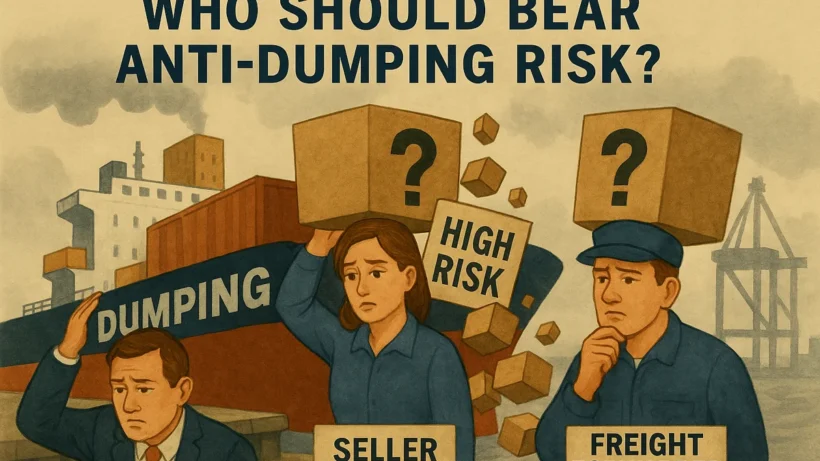
Who Should Bear Anti-Dumping Risk: The Buyer, the Seller, or the Freight Forwarder?

Anti-dumping issues are one of the most misunderstood risks in international trade. When a shipment is inspected, delayed, or hit with unexpected duties, the first reaction is often: “Who is responsible for this?” The buyer blames the seller. The seller blames customs. And the freight forwarder is often caught in

Blog

How to Identify High Anti-Dumping Risk Products Before You Book the Shipment

Many importers only discover anti-dumping risks after the container arrives at the port. By then, inspection fees, storage costs, and duty reassessments are already accumulating. In reality, most anti-dumping risks can be identified before booking — if you know where to look. Step 1: Check Whether the Product Is on