Recent discussions between China and the European Union over potential steel import tariffs once again highlight a major shift happening in global trade.
For years, international business was mainly driven by one factor: price.
Today, that is changing rapidly.
Governments are paying closer attention to:
- Supply chain security
- Carbon emissions
- Trade compliance
- Anti-dumping regulations
- Country-of-origin verification
- Strategic industries
For importers, exporters, and logistics companies, this means the future of global trade will not simply belong to the cheapest supplier — it will belong to the most adaptable and compliant supply chain.
The End of “Simple Globalization”
The world is moving away from traditional globalization models.
In the past:
- Manufacturers focused on mass production
- Buyers searched for the lowest prices
- Logistics providers mainly competed on freight rates
Now, businesses must also consider:
- Political risks
- Tariff exposure
- Customs compliance
- ESG requirements
- Regional sourcing strategies
- Inventory resilience
Trade is becoming more complex, but also more strategic.
Why Steel Tariffs Matter Beyond Steel
Many people think steel tariffs only affect steel factories.
That is not true.
Steel-related trade policies often impact:
- Furniture
- Kitchenware
- Construction materials
- Machinery
- Automotive parts
- Industrial equipment
Once tariffs increase, importers may face:
- Higher landed costs
- Longer customs inspections
- Additional documentation requirements
- Supplier restructuring
- Delayed purchasing decisions
As a result, logistics planning becomes much more important than before.
The Future Belongs to Flexible Supply Chains
One of the biggest trends in the coming years will be supply chain diversification.
Importers no longer want to rely on a single sourcing country or a single logistics route.
We are already seeing:
- More Southeast Asia sourcing
- Regional warehousing growth
- Multi-country manufacturing strategies
- Nearshoring discussions in North America and Europe
- Increased demand for bonded warehouses and FBA preparation services
However, shifting production is not as simple as changing labels or routing shipments through another country.
Customs authorities worldwide are becoming far more aggressive in investigating origin fraud and tariff circumvention.
Compliance will become a competitive advantage.
Logistics Companies Must Evolve
Freight forwarders can no longer operate as “space booking agents” only.
Modern logistics providers must help customers with:
- Trade risk analysis
- Customs compliance support
- Supply chain optimization
- Duty reduction planning
- Warehouse coordination
- Real-time visibility
- Multi-country shipping solutions
Customers are looking for partners who can reduce uncertainty, not just transportation costs.
Technology Will Reshape International Trade
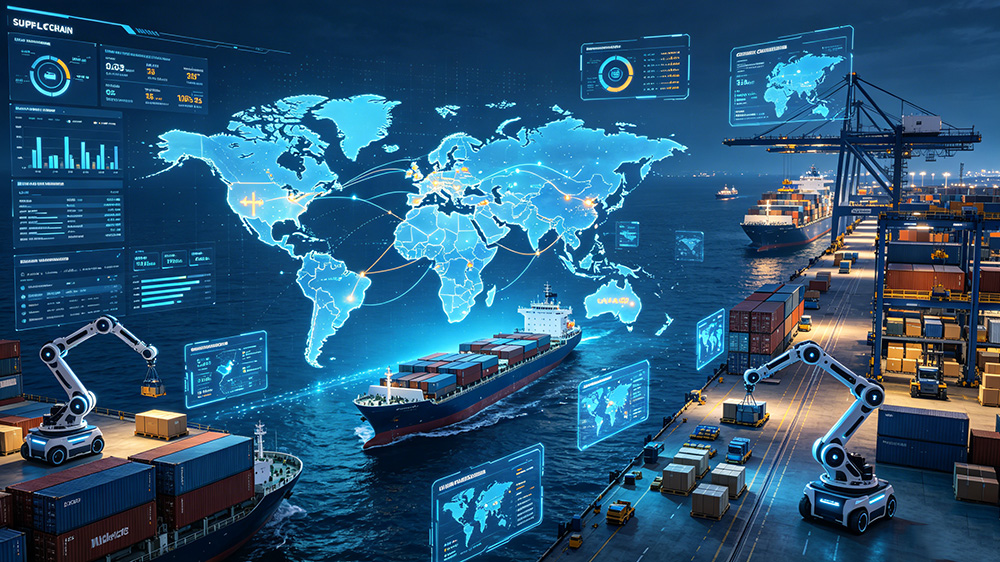
AI, automation, and digital supply chain systems are becoming essential.
Future logistics operations will increasingly rely on:
- Predictive shipment tracking
- Automated customs documentation
- AI-powered inventory planning
- Digital freight platforms
- Smart warehouse systems
- Real-time data integration
Companies that adapt early will operate faster and more efficiently than competitors still relying on traditional manual processes.
What Importers Should Focus on Now
To stay competitive in the changing trade environment, importers should focus on:
- Building diversified supplier networks
- Strengthening customs compliance
- Monitoring trade policy changes
- Improving inventory management
- Working with experienced logistics partners
- Preparing for stricter sustainability regulations
The companies that survive future trade uncertainty will not necessarily be the biggest.
They will be the most prepared.
Final Thoughts
The global trade industry is entering a new era.
Tariffs, compliance rules, and geopolitical risks are no longer temporary disruptions — they are becoming part of normal business operations.
For exporters, importers, and logistics providers, the future will depend on flexibility, transparency, and the ability to adapt quickly.
The companies that embrace these changes early will gain a significant advantage in the years ahead.