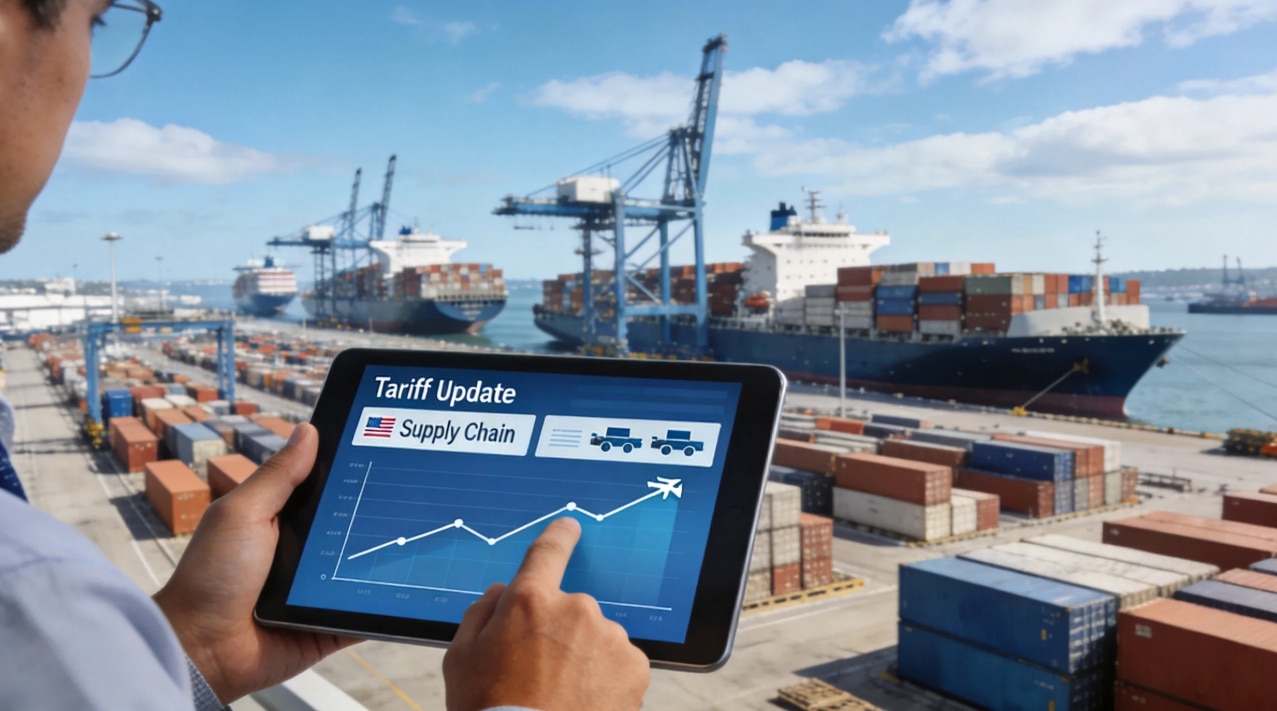
The latest U.S. tariff measures officially took effect on July 24, introducing a new round of changes that could affect import costs for many businesses sourcing products from China.
If your company imports products from China, understanding how these changes may impact your supply chain is more important than ever. While the exact effect depends on your product classification and import strategy, there are several key points every importer should know.
- Not Every Product Will Be Affected Equally
One of the biggest misconceptions is that every product imported from China will face the same tariff increase.
In reality, tariff rates vary depending on the product’s HS Code, applicable trade regulations, and whether the product falls under specific tariff programs. Some goods may experience significant changes, while others may see little or no impact.
Before making purchasing decisions, importers should verify the tariff status of their products rather than relying on general headlines.
- Existing Duties May Still Apply
For many products, the new tariff measures do not necessarily replace existing import duties.
Depending on the product category, importers may still be subject to previously established duties, such as Section 301 tariffs or other trade measures. This means the final duty paid at customs could be higher than expected.
Knowing the complete duty structure before shipping helps avoid unexpected costs after your cargo arrives.
- Your Landed Cost Is More Than Just Freight
Many businesses focus primarily on shipping rates, but freight is only one part of the total import cost.
A complete landed cost typically includes:
- Product cost
- Ocean or air freight
- Customs duties and tariffs
- Customs clearance fees
- Destination handling charges
- Inland transportation
- Warehousing or fulfillment costs
Even if freight rates remain stable, higher duties can significantly increase your total landed cost.
- Supply Chain Planning Becomes More Important
Tariff changes often require businesses to rethink their logistics strategy.
This may include:
- Choosing between FCL and LCL shipments
- Comparing DDP and DAP shipping options
- Consolidating multiple suppliers into one shipment
- Shipping earlier to reduce uncertainty
- Reviewing customs documentation for accuracy
A well-planned shipping strategy can often reduce costs without changing suppliers.
- Work With a Logistics Partner Who Understands Customs
In today’s trade environment, logistics is no longer just about moving cargo from one country to another.
A knowledgeable freight forwarder can help you:
- Review shipping options
- Estimate landed costs
- Prepare customs documentation
- Avoid unnecessary delays
- Recommend the most suitable shipping solution based on your products
The goal isn’t simply to transport goods—it’s to help importers manage costs and maintain a reliable supply chain.
Final Thoughts
Tariff policies will continue to evolve, and importers who stay informed are generally better positioned to control costs and minimize disruption.
Rather than reacting after shipments arrive, now is a good time to review your current import strategy, evaluate your landed costs, and ensure your logistics plan aligns with the latest trade environment.
Whether you’re shipping furniture, kitchenware, building materials, machinery, automotive parts, or consumer products from China, understanding how tariff changes affect your business can help you make smarter purchasing and shipping decisions.
At TD Logistics, we help businesses ship from China to the United States with customized logistics solutions, including ocean freight, air freight, customs support, warehousing, and door-to-door delivery. If you’re unsure how the latest tariff changes may impact your upcoming shipments, our team is ready to help you evaluate the most cost-effective shipping strategy.