Recent operational feedback from U.S. customs clearance activities indicates that the implementation of CPSC eFiling continues to evolve. While current clearance procedures remain stable, importers should continue to prioritize compliance and document preparation.
Below are the latest observations from on-site customs clearance operations.
1. CPSC-Regulated Shipments Are Currently Clearing Normally
Based on recent clearance cases, shipments subject to CPSC regulation have continued to be released without significant differences from previous procedures.
Operational feedback suggests that some shipments were successfully released even when the three corresponding CPSC IDs had not yet been entered during the declaration process.
This reflects current operational practice and should not be interpreted as a permanent policy exemption.
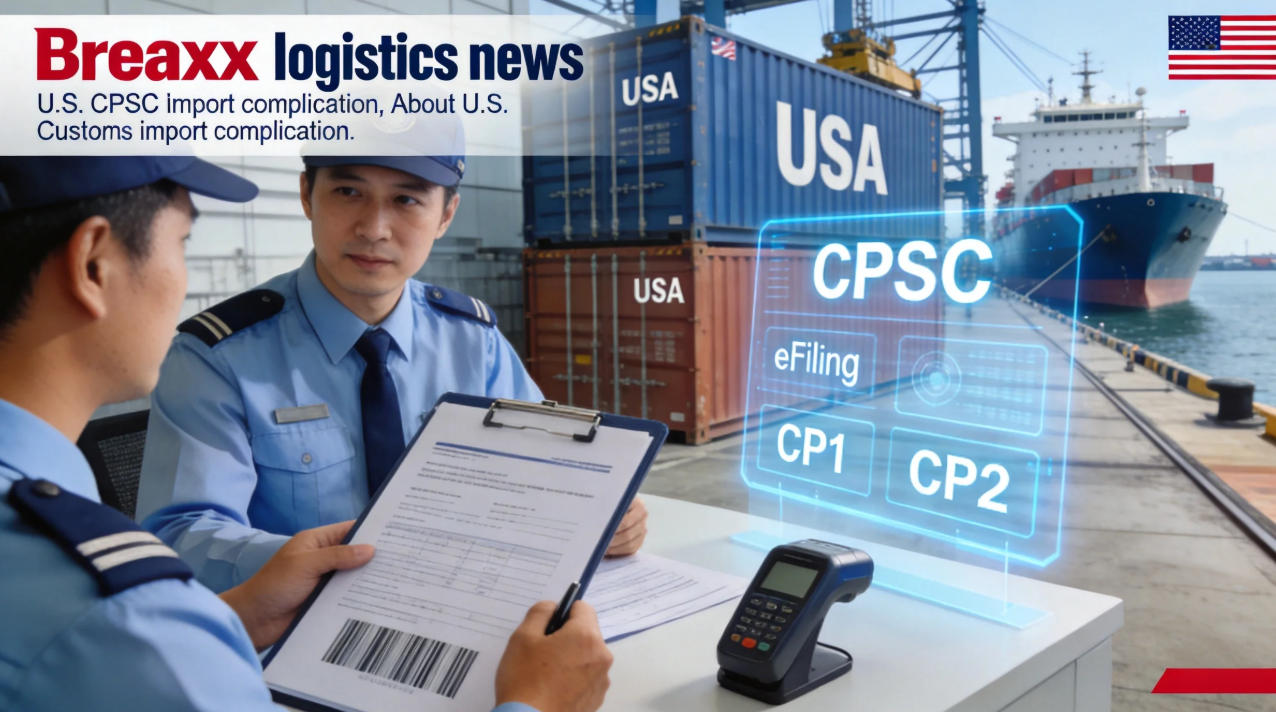
2. CPSC Categories Now Distinguished as CP1 and CP2
The customs system has updated tariff classifications by identifying CPSC-regulated products under two categories:
CP1 Products
Certain products may qualify for exemptions, provided that the required exemption documentation is available.
CP2 Products
These primarily include children’s products and other higher-risk consumer goods that are subject to stricter regulatory oversight.
Importers shipping CP2 products should prepare all required compliance certificates before shipment.
3. Successful eFiling Remains the Key Requirement
Another common question concerns situations where the importer listed on the CPSC certificate differs from the Importer of Record (IOR) used for customs clearance.
Current operational feedback indicates that when the CPSC eFiling submission has been completed successfully, customs declarations can generally proceed normally, even if those entities are not identical.
4. Supporting Documents Are Not Currently Required at Entry
According to the latest operational notice received from U.S. Customs, importers are not currently required to upload all CPSC supporting documents during the customs entry process.
However, voluntary submission is encouraged whenever appropriate.
5. Post-Entry Compliance Reviews Remain Possible
Although cargo may be released successfully, CPSC retains the authority to conduct post-entry compliance reviews.
Importers should retain complete documentation, including:
- Product compliance certificates
- Laboratory testing reports
- Technical documentation
- Product traceability information
- Any exemption documentation, when applicable
Proper recordkeeping can help reduce compliance risks during future inspections or audits.
What Importers Should Do
At this stage, there is no indication that CPSC compliance requirements have been relaxed. Instead, the latest operational feedback suggests that customs clearance procedures remain stable while enforcement continues to focus on electronic filing and post-entry compliance.
To minimize risk, importers should:
- Confirm whether products fall under CPSC regulation.
- Complete eFiling accurately before shipment.
- Prepare all applicable compliance documentation.
- Retain records in case of future CPSC review.
Final Thoughts
The current clearance environment appears stable, but compliance remains essential.
As CPSC eFiling continues to develop, importers who maintain accurate filings and complete documentation will be better positioned to avoid unnecessary delays or compliance issues.
TD Logistics will continue monitoring regulatory developments and sharing practical updates to help customers navigate U.S. import requirements with confidence.