
Many importers believe shipping begins when the factory says:
“Your cargo is ready.”
In reality, experienced importers know that successful freight planning often begins long before production is finished.
Waiting until the last minute to arrange shipping can lead to higher costs, delayed departures, limited space availability, and unnecessary stress across the supply chain.
The companies that move cargo most efficiently usually start planning logistics while production is still in progress.

The Common Mistake Many Importers Make
A very common situation in international trade looks like this:
The factory finishes production.
The supplier sends a message:
“Goods are ready. When can you pick them up?”
At that moment, the importer starts searching for:
- Freight quotes
- Available vessel space
- Truck pickup arrangements
- Customs paperwork
- Delivery schedules
The problem is that by this stage, many important logistics decisions are already being made too late.
In busy seasons especially, late planning can quickly become expensive planning.
Why Early Freight Planning Matters
Freight is not only about moving cargo from one country to another.
It is also about timing, coordination, space management, packaging efficiency, and cost control.
Starting earlier gives importers more flexibility and better control over the entire process.
Better shipping rates
Freight costs can change quickly depending on market demand.
Booking space earlier often provides:
- More carrier options
- Better pricing opportunities
- Lower peak season surcharges
Last-minute bookings usually mean fewer choices and higher rates.
More stable vessel space
During peak shipping seasons, available container space becomes limited.
Importers who wait until production is complete may discover:
- Fully booked vessels
- Delayed departures
- Longer transit times
Early planning improves the chance of securing preferred schedules.
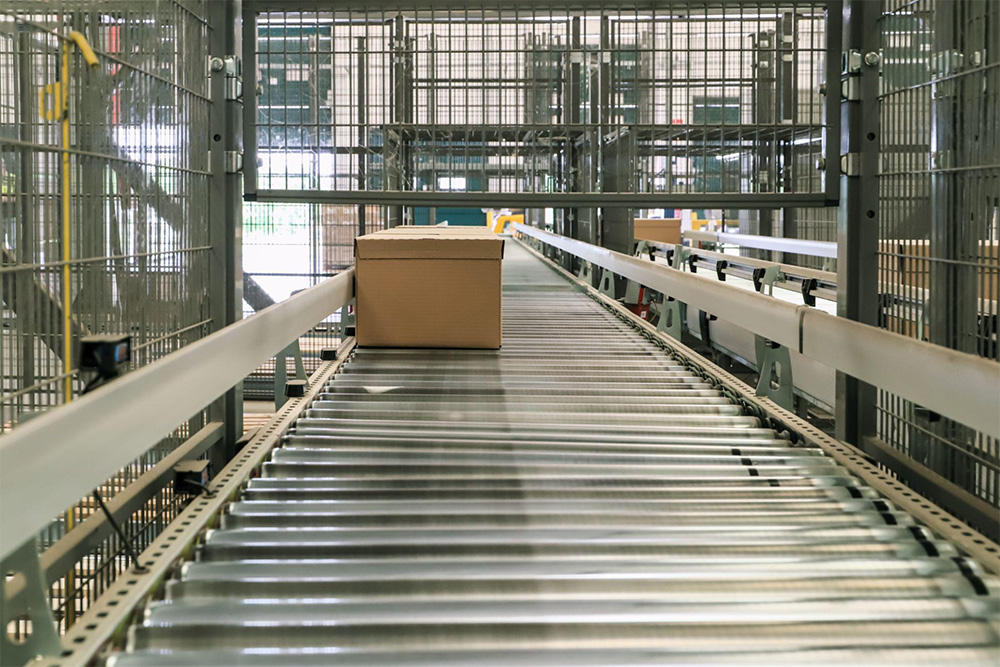
Time to optimize packaging
Packaging has a major impact on shipping costs.
Small adjustments before production finishes can significantly reduce freight expenses.
For example:
- Reducing carton dimensions
- Improving pallet stacking
- Avoiding wasted space
- Optimizing container loading
These changes are much easier to implement before goods are packed and finalized.
Reduced warehouse pressure
Without proper planning, cargo may sit in factories or warehouses waiting for arrangements.
This can create:
- Storage fees
- Factory congestion
- Delayed cash flow
- Inventory disruptions
Early coordination helps goods move more smoothly once production is complete.
Freight Problems Often Start Before Shipping
Many shipping problems are not actually transportation problems.
They begin earlier during sourcing, production, packaging, or planning stages.
For example:
A supplier may finish cargo one week later than expected.
The importer books freight too late.
The desired vessel becomes unavailable.
The shipment misses the sales season.
Now the business faces:
- Higher freight costs
- Delayed inventory
- Lost sales opportunities
The transportation itself may work perfectly.
But the planning failed.
What Experienced Importers Usually Prepare Early
Professional importers often coordinate several logistics details before production is completed.
These may include:
Confirming cargo dimensions and weights
Accurate shipping measurements help avoid unexpected freight charges.
Reserving container space early
Especially during peak season or before holidays.
Reviewing packaging methods
To improve loading efficiency and reduce damage risk.
Preparing customs documentation
Invoices, packing lists, labels, and compliance paperwork can often be reviewed in advance.
Coordinating delivery schedules
Warehouses, Amazon FBA appointments, and final-mile delivery may require advance planning.
Logistics Is Part of Production
Many businesses separate manufacturing and logistics into two completely different stages.
In reality, they are closely connected.
A well-produced shipment can still become a costly problem if freight planning starts too late.
The most efficient supply chains treat logistics as part of the production process itself.
Final Thoughts
Freight planning does not begin when cargo is ready for pickup.
It begins much earlier — while products are still being manufactured.
The earlier importers coordinate shipping, packaging, scheduling, and documentation, the more control they usually have over costs, timing, and reliability.
Because in international trade, smooth shipping is rarely the result of luck.
It is usually the result of preparation.