
In international shipping, speed gets a lot of attention.
Importers often ask:
- How fast can my cargo arrive?
- Which shipping method is the quickest?
- Can I get an earlier delivery date?
These are important questions. But there is another question that matters just as much:
Do I know where my cargo is, and when can I realistically expect it to arrive?
A shipment that moves quickly but provides little visibility can create uncertainty. A shipment with a slightly longer transit time but clear, consistent updates may be much easier to manage.
For businesses importing goods from China, shipment visibility is not just a customer service feature. It is an important part of supply chain management.
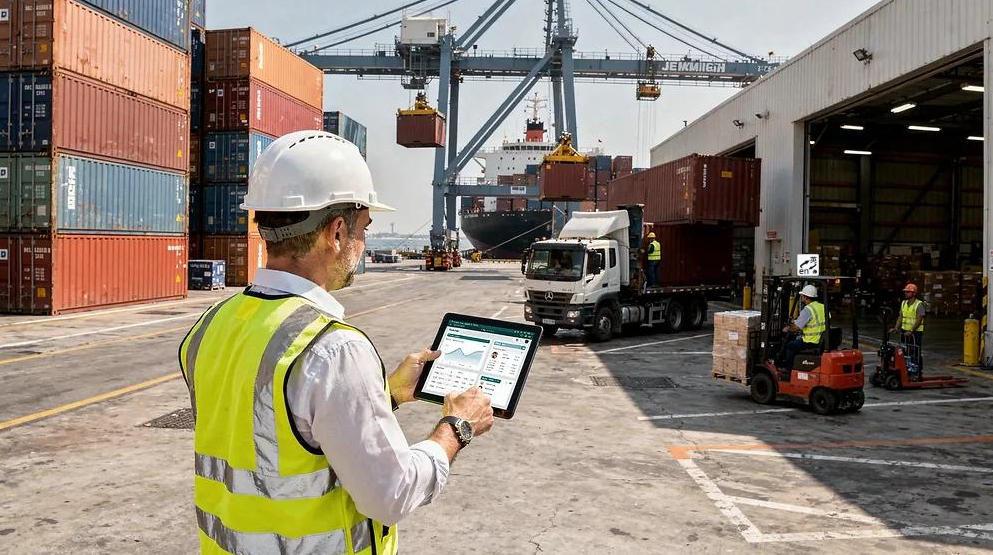
- Faster Shipping Does Not Always Mean Better Planning
A short transit time looks attractive on paper. However, international transportation involves multiple stages:
- Cargo pickup from the supplier
- Warehouse receiving and consolidation, if required
- Export documentation and customs procedures
- Vessel or flight departure
- International transit
- Arrival and destination customs clearance
- Port handling and final delivery
A delay at any stage can affect the overall delivery schedule.
Even when the international transit time is relatively short, importers still need to account for the entire logistics process.
Without regular updates, it becomes difficult to know whether cargo is progressing as planned or whether action is needed.
- Knowing Where Your Cargo Is Helps You Make Better Decisions
Shipment visibility gives importers information they can use to manage their business.
For example:
Inventory planning
If you know the estimated arrival window, you can better plan stock levels and avoid unnecessary last-minute replenishment.
Warehouse scheduling
Advance notice of cargo arrival helps your warehouse prepare labor, storage space, unloading equipment and receiving arrangements.
Sales and customer commitments
Retailers and distributors need realistic delivery expectations. Reliable shipment updates help sales teams communicate more accurately with their customers.
Production and project coordination
For manufacturers and construction businesses, delayed materials can affect production schedules or project progress. Early information gives teams more time to adjust.
The value is not simply knowing where a container is. It is knowing what to do next.
- Poor Communication Creates Hidden Costs
When shipment information is unclear, the consequences can go beyond frustration.
Businesses may face:
- Unnecessary warehouse or labor arrangements
- Missed delivery appointments
- Additional storage or detention-related charges, depending on the circumstances
- Emergency inventory purchases
- Production or project disruptions
- Uncertain commitments to customers
Not every delay can be prevented. Weather, port congestion, customs inspections and carrier schedule changes are outside a freight forwarder’s direct control.
But timely communication can help importers prepare for these situations and reduce avoidable costs.
- What Shipment Updates Should Importers Expect?
A useful logistics update should provide more than a simple message saying, “Your cargo is on the way.”
For a typical international shipment, importers should expect updates on key milestones, where applicable:
| Shipping milestone | Information to communicate |
| Cargo received | Warehouse receipt and cargo status |
| Export preparation | Documentation and customs preparation status |
| Departure | Actual vessel or flight departure |
| In transit | Latest available tracking information |
| Arrival | Estimated or confirmed arrival information |
| Customs clearance | Clearance progress and any required action |
| Final delivery | Delivery appointment or delivery status |
The exact milestones depend on the shipping method, carrier and service scope.
Importers should also understand the difference between an estimated arrival date and a confirmed delivery appointment. These are not always the same.
- How Importers Can Improve Shipment Visibility
Visibility is a shared responsibility. Importers can take several practical steps to make their shipments easier to manage.
- Share accurate cargo information early
Provide product descriptions, packing details, cargo dimensions, weight and shipping documents as early as possible.
- Confirm the shipping plan before cargo is ready
Discuss the shipping method, expected schedule, destination arrangements and delivery requirements in advance.
- Agree on communication expectations
Ask your logistics provider which milestones will be reported, how frequently updates will be shared and who to contact if something changes.
- Plan with realistic delivery windows
Avoid relying entirely on the fastest quoted transit time. Allow reasonable buffers for customs, port handling and inland transportation.
- Ask for early notice of exceptions
If a vessel schedule changes, documents are missing or additional information is required, early communication gives your team more time to respond.
- Choose a Logistics Partner That Keeps You Informed
A good logistics partner should do more than arrange transportation.
Importers need a partner who understands the full shipping process, coordinates the necessary parties and communicates important changes clearly.
When comparing logistics providers, don’t focus only on the quoted freight rate or estimated transit time. Also consider:
- Is the shipping process explained clearly?
- Are important milestones communicated?
- Are potential delays reported promptly?
- Are additional charges explained?
- Is there a clear contact person for questions and follow-up?
A competitive freight rate matters. But reliable information helps you protect inventory, manage cash flow and make better business decisions.
Final Thoughts: Move Your Cargo, Not Your Uncertainty
The fastest shipment is not always the easiest shipment to manage.
For importers, knowing where the cargo is, understanding its current status and having a realistic arrival expectation can make a significant difference to daily operations.
Speed moves your cargo forward. Visibility helps you move your business forward.
At TD Logistics, we help businesses coordinate shipments from China to the USA, Canada, Mexico, the UK and Europe through ocean freight, air freight, LCL consolidation and door-to-door logistics solutions.
Our goal is not only to move cargo, but also to help importers stay informed throughout the shipping process.
TD Logistics — From China Factory to Front Door. We Handle It All.