
When damaged cargo arrives at its destination, many importers immediately assume the problem occurred during transportation.
The container must have been handled roughly.
The truck driver must have caused the damage.
The shipping company must have made a mistake.
But in reality, experienced logistics professionals often discover something surprising:
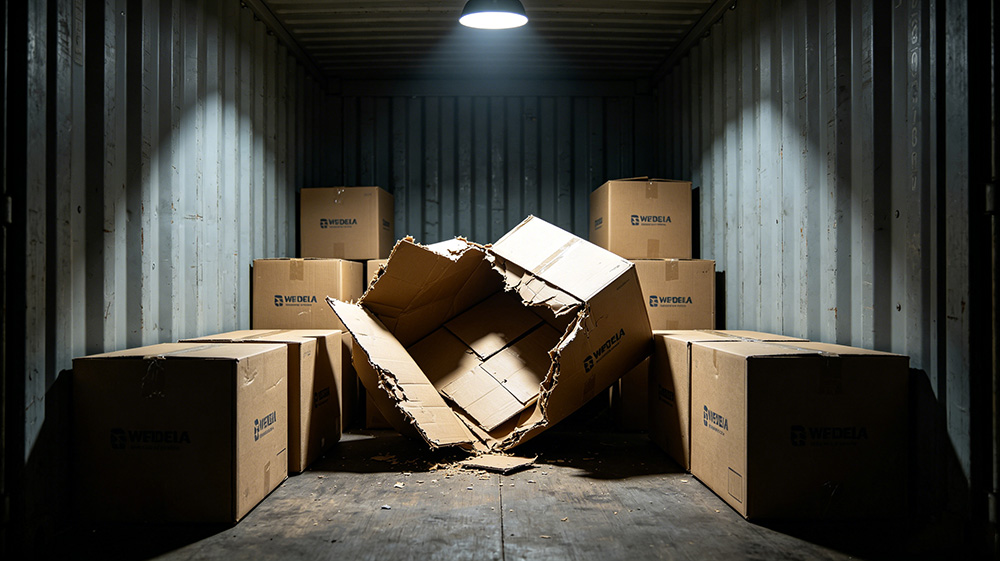
Cargo usually breaks before it moves.
In many cases, the root cause of cargo damage is not the ship, truck, or warehouse. It is the way the products were packaged, stacked, or prepared before transportation even began.
The Journey Is Tougher Than Most People Realize
A shipment moving from China to the United States, Europe, or other international markets may experience:
- Multiple loading and unloading operations
- Truck transportation
- Port handling
- Container stacking
- Ocean transportation
- Warehouse processing
- Final-mile delivery
Throughout this journey, cargo is exposed to:
- Vibration
- Pressure
- Movement
- Temperature changes
- Humidity
- Repeated handling
Proper packaging is designed to withstand these conditions.
Poor packaging is not.
Why Cargo Gets Damaged
Many damaged shipments can be traced back to preparation issues at the factory or warehouse.
Weak Outer Cartons
One of the most common problems is using cartons that are too thin for the product’s weight.
A carton may look fine when it leaves the factory, but after weeks of transportation and stacking pressure, it can collapse.
The result:
- Crushed products
- Torn packaging
- Customer complaints
Poor Internal Protection
Sometimes the carton survives, but the product inside does not.
Without sufficient cushioning, products can move freely during transit.
This is especially common with:
- Kitchenware
- Glass products
- Furniture components
- Electronics
- Home décor items
Even small movements repeated thousands of times during transport can cause damage.
Incorrect Palletization
Pallets are designed to stabilize cargo and distribute weight evenly.
Problems occur when:
- Pallets are overloaded
- Cartons overhang the pallet edges
- Cargo is stacked unevenly
- Stretch wrapping is insufficient
These issues increase the risk of shifting during transport.
Poor Container Loading
A container may look full, but that doesn’t mean it is loaded correctly.
Without proper load planning:
- Heavy items may crush lighter products
- Cargo may shift during ocean transit
- Empty spaces can allow movement
Good loading practices are just as important as good packaging.
The Cost of Cargo Damage
Many businesses underestimate how expensive cargo damage can become.
The obvious costs include:
- Replacements
- Refunds
- Damaged inventory
But the indirect costs are often larger:
- Customer complaints
- Negative reviews
- Lost future orders
- Delayed projects
- Additional labor costs
For Amazon sellers and e-commerce businesses, damaged shipments can quickly affect performance metrics and customer satisfaction.
Prevention Is Usually Cheaper Than Replacement
Improving packaging often costs far less than replacing damaged products.
Simple improvements may include:
Stronger Cartons
Using cartons designed for the product’s weight and shipping conditions.
Better Internal Cushioning
Adding foam, corner protection, dividers, or protective inserts.
Proper Pallet Usage
Ensuring weight is distributed correctly and cargo is securely wrapped.
Professional Container Loading
Planning cargo placement to minimize movement and pressure during transit.
Pre-Shipment Inspection
Checking packaging quality before cargo leaves the factory.
What Experienced Importers Focus On
Experienced importers do not only inspect the product.
They inspect the packaging as well.
Before approving a shipment, they often ask:
- Can the carton support stacking weight?
- Is the pallet configuration stable?
- Is the internal protection sufficient?
- Can the packaging survive a 30-day ocean journey?
These questions help identify risks before they become costly claims.
Final Thoughts
When cargo arrives damaged, transportation is often blamed first.
However, the real cause frequently started much earlier.
A container, truck, or vessel can only transport what it is given.
If packaging and loading are inadequate, the risk of damage increases long before the shipment begins its journey.
Because in international logistics, cargo often breaks before it moves.