
Drones have become an essential tool for businesses and consumers alike. From aerial photography and agriculture to surveying, inspection, and security applications, the demand for unmanned aerial vehicles (UAVs) continues to grow worldwide.
One question many importers and manufacturers ask is:
Can drones be exported from China to the United States?
The short answer is yes, but drone shipments are subject to additional regulations, documentation requirements, and customs scrutiny compared to ordinary consumer products.
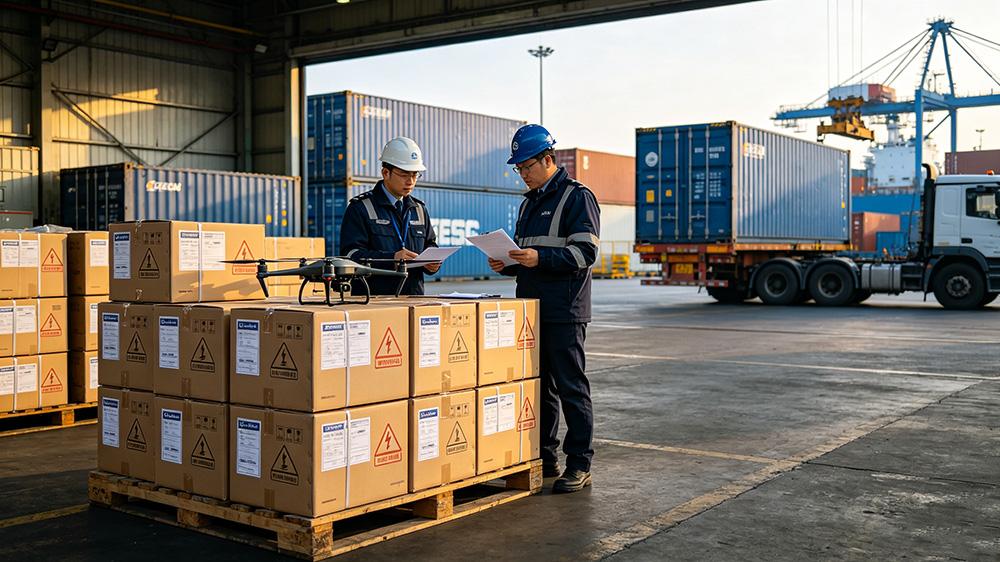
Are Drones Allowed to Be Exported to the U.S.?
In most cases, civilian drones can legally be exported from China and imported into the United States. Common categories include:
- Consumer camera drones
- Recreational drones
- Agricultural drones
- Surveying and mapping drones
- Industrial inspection drones
- Commercial UAV systems
However, the approval process and shipping requirements depend on the drone’s specifications, intended use, and destination.
Why Are Drones Considered Sensitive Cargo?
Unlike ordinary electronic products, drones combine several regulated technologies, including:
- Wireless communication systems
- GPS navigation equipment
- High-resolution cameras
- Flight control systems
- Lithium batteries
Because of these components, customs authorities and regulatory agencies may apply additional reviews during export and import procedures.
Export Control Considerations
Certain high-performance drones may fall under export control regulations.
Factors that may trigger additional scrutiny include:
- Extended flight range
- Long endurance capability
- Heavy payload capacity
- Advanced surveillance functions
- Dual-use civilian and military applications
Manufacturers and exporters should verify whether their products require special export authorization before shipment.
Lithium Battery Shipping Requirements
One of the most important aspects of drone transportation is battery compliance.
Most drones are shipped with lithium-ion batteries, which are classified as dangerous goods for transportation purposes.
Required documentation may include:
- UN38.3 Test Report
- MSDS (Material Safety Data Sheet)
- Battery specifications
- Packing declaration
Air freight shipments are usually subject to stricter battery regulations than ocean freight.
Failure to provide proper battery documentation can result in shipment delays, cargo rejection, or customs inspections.
U.S. Import Compliance
Importers should also be aware of U.S. regulations that may apply to drone products.
Depending on the product type, importers may need to consider:
- FCC compliance requirements
- Customs declarations
- Product safety regulations
- Country of origin requirements
- Additional government agency reviews
Industrial and commercial drones often receive more scrutiny than consumer-grade products.
Potential Tariffs and Duties
Drone imports from China may be subject to:
- Standard import duties
- Additional trade-related tariffs
- Other applicable customs fees
The final duty rate depends on the product classification and Harmonized System (HS) code used for customs entry.
Importers should verify the correct classification before shipping to avoid unexpected costs.
Information Freight Forwarders Need Before Quoting
If you plan to ship drones from China to the United States, your logistics provider will typically request:
- Brand and model number
- Battery specifications
- Quantity
- Gross weight and dimensions
- Intended use
- Delivery address
- Shipping method (Air or Ocean)
Providing complete information early helps avoid delays and ensures accurate freight quotations.
Choosing the Right Shipping Method
Air Freight
Best for:
- High-value products
- Urgent deliveries
- Small quantities
Advantages:
- Faster transit times
- Reduced inventory costs
Considerations:
- Higher freight cost
- Strict battery regulations
Ocean Freight
Best for:
- Bulk orders
- Commercial shipments
- Large industrial drones
Advantages:
- Lower shipping cost
- Better for large batteries and equipment
Considerations:
- Longer transit times
Final Thoughts
Drones can be successfully exported from China to the United States, but they require more careful planning than standard consumer goods.
Understanding export controls, battery regulations, customs requirements, and tariff implications is essential for avoiding costly delays.
Whether you are importing recreational drones, agricultural UAVs, or industrial inspection systems, working with an experienced freight forwarder can help ensure a smooth shipping process from factory to final destination.
Before shipping, always verify the drone model, battery specifications, and compliance requirements to ensure your cargo reaches the U.S. safely and efficiently.