
U.S. importers should look beyond ocean freight rates. Learn how chassis fees, storage charges, and port delays can increase the total cost of shipping from China.
The Ocean Freight Rate Is Only Part of the Story
When importing goods from China to the United States, many businesses focus on one number: the ocean freight rate.
It is understandable. Freight is a major part of the shipping budget, and comparing quotes seems like the easiest way to find savings.
But the rate on a freight quote does not always represent the final cost of getting goods to your warehouse.
Port congestion, limited truck chassis availability, warehouse scheduling problems, and empty container returns can all generate additional charges. These expenses may turn an apparently competitive shipping quote into a much more expensive shipment.
For importers operating on tight margins, understanding these costs is becoming increasingly important.
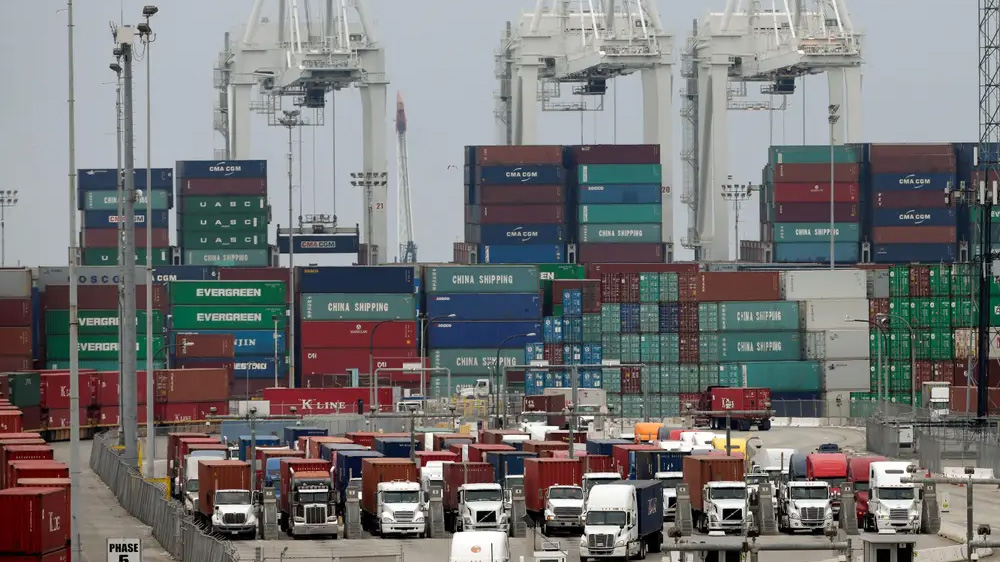
- Chassis Fees: The Cost of Limited Equipment Availability
A chassis is the wheeled frame used to transport a shipping container by truck.
When chassis availability is limited or containers occupy equipment longer than planned, trucking providers may introduce additional usage charges.
For example, a logistics provider may offer three free days of chassis use before charging $40 per day. Under that particular policy, a container that incurs seven chargeable days would generate $280 in chassis fees.
The actual free period, billing rules, and charges vary by provider and shipment terms.
The important point is that equipment availability and container turnaround time can directly affect your transportation budget.
- Storage Charges: Delays Can Become Expensive
Storage-related charges may arise when containers or cargo remain in a facility beyond the applicable free period.
However, importers should distinguish between terminal storage, container yard storage, and other facility-related charges. These are not necessarily the same service, and their billing rules may differ.
Consider a hypothetical arrangement that includes one free day followed by a $45 daily storage charge.
If storage charges accrue for seven days, the additional cost would be $315.
When storage and chassis charges apply simultaneously, the combined expense can grow quickly.
Always confirm where the cargo is stored, when the free period begins, and whether the charges can overlap.
- The Hidden Cost of Delays
The financial impact of a delayed container extends beyond daily fees.
A delayed delivery can also lead to:
- Warehouse appointment cancellation or no-show fees
- Truck waiting time charges
- Missed delivery windows
- Additional drayage or repositioning costs
- Detention or demurrage charges, where applicable
- Delayed inventory availability and potential lost sales
Not every shipment will incur all these charges. Their applicability depends on the carrier, terminal, trucking provider, warehouse, and contract terms.
Nevertheless, even one unexpected charge can reduce the profit margin on a shipment.
- Why the Cheapest Quote May Not Be the Cheapest Shipment
Imagine two shipping quotes for the same shipment.
Provider A offers a lower initial rate but has limited flexibility around delivery appointments and additional charges.
Provider B offers a slightly higher rate with clearer service terms, coordinated delivery arrangements, and more transparent accessorial fees.
If Provider A’s shipment experiences delays, the initial savings may disappear.
This is why importers should compare the total expected landed logistics cost—not just the ocean freight rate.
Before booking, ask each provider to clarify:
- Which transportation and handling services are included
- Whether chassis, storage, and drayage charges are included
- How free time is calculated
- Which fees may arise from delays
- Who is responsible for charges caused by different parties
- Whether additional charges require supporting documentation
- How Importers Can Control Shipping Costs
Although port congestion and equipment shortages are not always within an importer’s control, preparation can reduce avoidable expenses.
Plan warehouse receiving before the vessel arrives. Confirm receiving hours, unloading capacity, and appointment availability.
Prepare delivery instructions early. Make sure the trucking provider has accurate delivery details and warehouse contacts.
Track free-time deadlines. Record the relevant terminal, container, chassis, and warehouse deadlines separately.
Coordinate empty container returns. Confirm the designated return location, appointment requirements, and acceptance status before dispatching the truck.
Review the complete quote. Ask for a breakdown of included services, exclusions, and potential accessorial charges.
Final Thoughts
A low ocean freight rate can be attractive, but it does not guarantee a low final shipping cost.
As port congestion and equipment constraints affect individual shipments, importers need to pay closer attention to the entire transportation process—from vessel arrival to final delivery and empty container return.