
China remains a major source of manufactured goods for European businesses. For importers, however, successful sourcing involves more than finding a competitive supplier. Shipping, customs clearance, regulatory compliance, and final delivery all affect the true cost of importing.
Eurostat reported that EU imports of goods from China reached €559.4 billion in 2025, up 6.4% from the previous year. Manufactured products accounted for 97.3% of the EU’s imports from China, according to the European Commission’s trade overview.
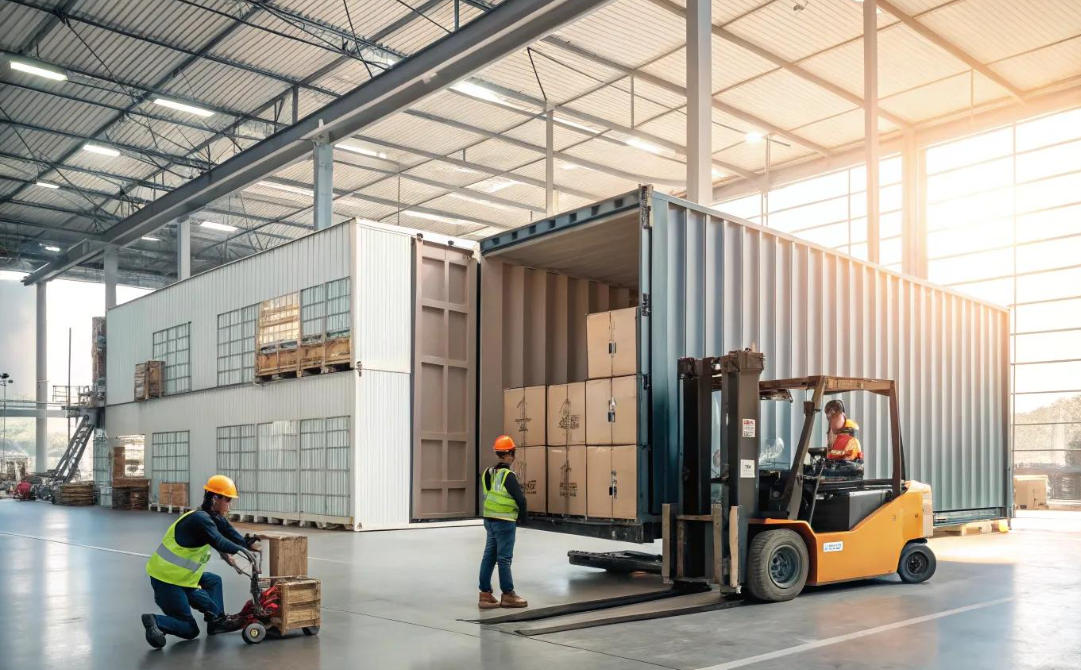
These figures highlight the importance of manufactured goods in the China-Europe supply chain.
- Look Beyond the Purchase Price
A low factory price does not automatically mean a low landed cost.
Importers should consider:
- International freight and origin charges
- Customs duties and applicable taxes
- Customs brokerage and clearance costs
- Cargo insurance and destination handling
- Warehousing, delivery, and potential delay costs
The right comparison is the total cost of getting compliant goods from the supplier to the final destination.
- Choose the Right Shipping Method
The most suitable shipping option depends on cargo volume, urgency, dimensions, and budget.
Less-than-container-load (LCL): Useful when cargo does not fill an entire container. Consolidation can help smaller importers manage shipments, although handling charges and transit times should be evaluated carefully.
Full-container-load (FCL): Often worth comparing for larger shipments or cargo that benefits from dedicated container space.
Air freight: May suit urgent, lightweight, or high-value shipments where speed justifies the higher transport cost.
Rail or multimodal transport: May be suitable for selected routes and cargo, depending on service availability, transit time, and the complete door-to-door cost.
There is no universally cheapest option. The best choice is the one that fits the shipment and the business’s delivery requirements.
- Prepare Customs Information Before Dispatch
Customs problems can create costs that are difficult to recover later.
Before shipping, importers should confirm the product’s HS code, customs value, country-of-origin requirements, applicable duties, and any product-specific regulations.
Depending on the goods and destination country, additional certifications, testing, labeling, or import documentation may be necessary.
Importers should not assume that every product shipped from China is subject to the same tariff rate or clearance requirements.
- Build Time Into the Shipping Plan
A shipment’s timeline includes more than the time spent at sea or in transit.
Production delays, warehouse receiving, cargo consolidation, export clearance, port operations, customs inspection, and final delivery can all affect the arrival date.
A more reliable approach is to work backward from the required delivery date, establish a realistic shipping window, and prepare the documentation before the cargo is ready.
- Make Logistics Part of Supplier Planning
Logistics works best when it is considered before production is completed.
Importers can reduce avoidable problems by confirming carton dimensions early, coordinating cargo-ready dates, checking packaging suitability, and deciding whether multiple suppliers’ goods can be consolidated.
For businesses purchasing from several factories, a well-planned consolidation process may simplify shipment coordination and improve container utilization.
Final Thoughts
China remains an important manufacturing source for European importers, but sourcing successfully requires a disciplined approach to logistics and compliance.
The objective should not be to find the cheapest freight quote in isolation. It should be to move the right goods, with the correct documentation, at a predictable total cost.
Planning early is often the most practical way to protect both delivery schedules and import margins.
Sources: Eurostat, “Trade in goods with China in 2025”; European Commission, “EU trade relations with China.”