
A New Price Increase for UPS Economy Shipments
According to a rate adjustment notice, mainland China UPS Economy commercial express shipments to the United States will see an average price increase of RMB 18 per kilogram across all weight brackets, effective 9:00 a.m. on October 28, 2026.
The notice directs customers to the updated rate sheet for specific prices.
Although the adjustment applies to a particular service, it highlights an important consideration for businesses shipping products from China: international logistics costs can change across different transportation methods, including express courier, air freight, and ocean freight.
For businesses that rely on small-parcel delivery, even a modest increase per kilogram can affect shipping budgets and product margins.
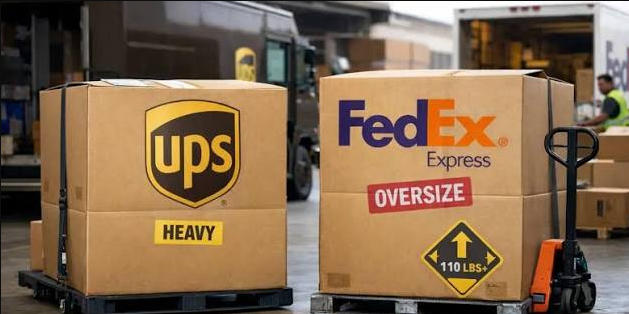
Why Small Parcels Could Feel the Impact
Small parcels are widely used by e-commerce businesses, sample shipments, spare-parts suppliers, and companies sending lightweight products directly to customers.
Unlike full-container shipments, these deliveries are often priced according to chargeable weight, service level, destination, and applicable surcharges.
An increase of RMB 18 per kilogram may appear manageable for a single shipment. But when a business sends hundreds or thousands of parcels, the cumulative cost can become significant.
For example, using the announced average increase:
- 5 kg shipment: approximately RMB 90 more
- 10 kg shipment: approximately RMB 180 more
- 20 kg shipment: approximately RMB 360 more
These are illustrative calculations based on RMB 18/kg, not guaranteed increases for individual parcels. Actual charges depend on the updated rate sheet and the carrier’s chargeable-weight rules.
Which Businesses Should Pay Attention?
Cross-border e-commerce sellers
For sellers shipping individual orders from China to U.S. customers, higher delivery costs can reduce profit margins—particularly for low-priced products.
Businesses sending samples
Companies sending product samples to prospective buyers may need to review sample-delivery budgets, especially when multiple shipments are involved.
Spare-parts and accessories suppliers
Small components may be lightweight but commercially important. When urgent delivery is required, express shipping can be difficult to replace with a slower service.
Small importers and distributors
Businesses that regularly send small replenishment orders may need to compare express courier services with consolidated air freight or other suitable shipping options.
What Can Importers Do?
A rate increase does not automatically mean that every shipment should switch to another transport method. The right choice depends on delivery urgency, shipment size, destination, and total cost.
Businesses can consider several practical steps:
- Recheck current quotations. Confirm whether existing quotes remain valid after the effective date.
- Review chargeable weight. Packaging dimensions can affect the billable weight of a parcel, so efficient packaging may help control costs where appropriate.
- Consolidate compatible shipments. When delivery deadlines allow, combining several orders may offer alternatives to sending each parcel separately.
- Compare transport options. For larger shipments, compare express courier with air freight or other services based on total cost and transit time—not price alone.
- Review product margins. Sellers with low-margin products should calculate how higher delivery charges affect their per-order profitability.
The Bigger Picture: Every Shipping Method Matters
Freight market discussions often focus on ocean rates, container availability, and port congestion. Yet businesses shipping from China also depend on international express services for samples, small orders, urgent replenishment, and direct-to-consumer deliveries.
This UPS Economy adjustment is a reminder that shipping budgets should be reviewed across the entire logistics chain. A change affecting one service does not mean every carrier or transport mode will follow, but it is a reason to verify current prices before dispatch.
For importers, the goal is not simply to find the cheapest shipping method. It is to select a service that balances transportation cost, delivery speed, reliability, and the value of the goods being shipped.
Before sending your next shipment from China to the United States, check the latest rate and compare the available options.
Note: The rate adjustment and effective time in this article are based on the specific notice described above. The actual charge for an individual shipment should be confirmed against the applicable rate sheet.