When importing goods from China to the United States, many buyers focus mainly on freight costs, transit times, and customs duties. However, one issue that is often overlooked can create significant risks: intellectual property (IP) compliance and brand authorization.
What Are Infringing Products?
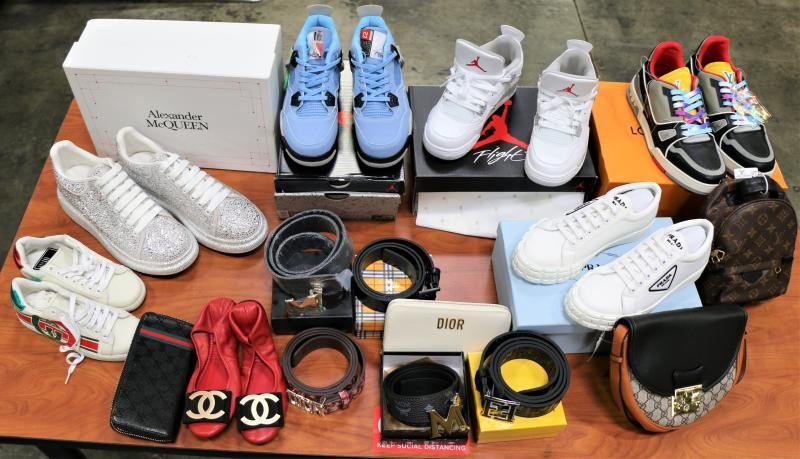
Infringing products generally refer to goods that use a registered trademark, logo, design, or patented technology without permission from the legal owner. Common examples include:
- Branded apparel and footwear
- Electronic accessories with famous logos
- Luxury goods replicas
- Toys and consumer products using copyrighted designs
- Products using protected brand names or packaging
Some suppliers may offer these products at attractive prices, but lower costs often come with higher legal and customs risks.
Why Is Brand Authorization Important?
If your products contain branded elements, customs authorities and freight providers may require a valid authorization letter from the brand owner.
A brand authorization letter proves that:
- You have legal permission to manufacture or sell the products
- The shipment is not violating intellectual property rights
- The products can legally enter the destination market
Without proper authorization, many freight forwarders may refuse to handle the shipment due to compliance risks.
What Could Happen Without Authorization?
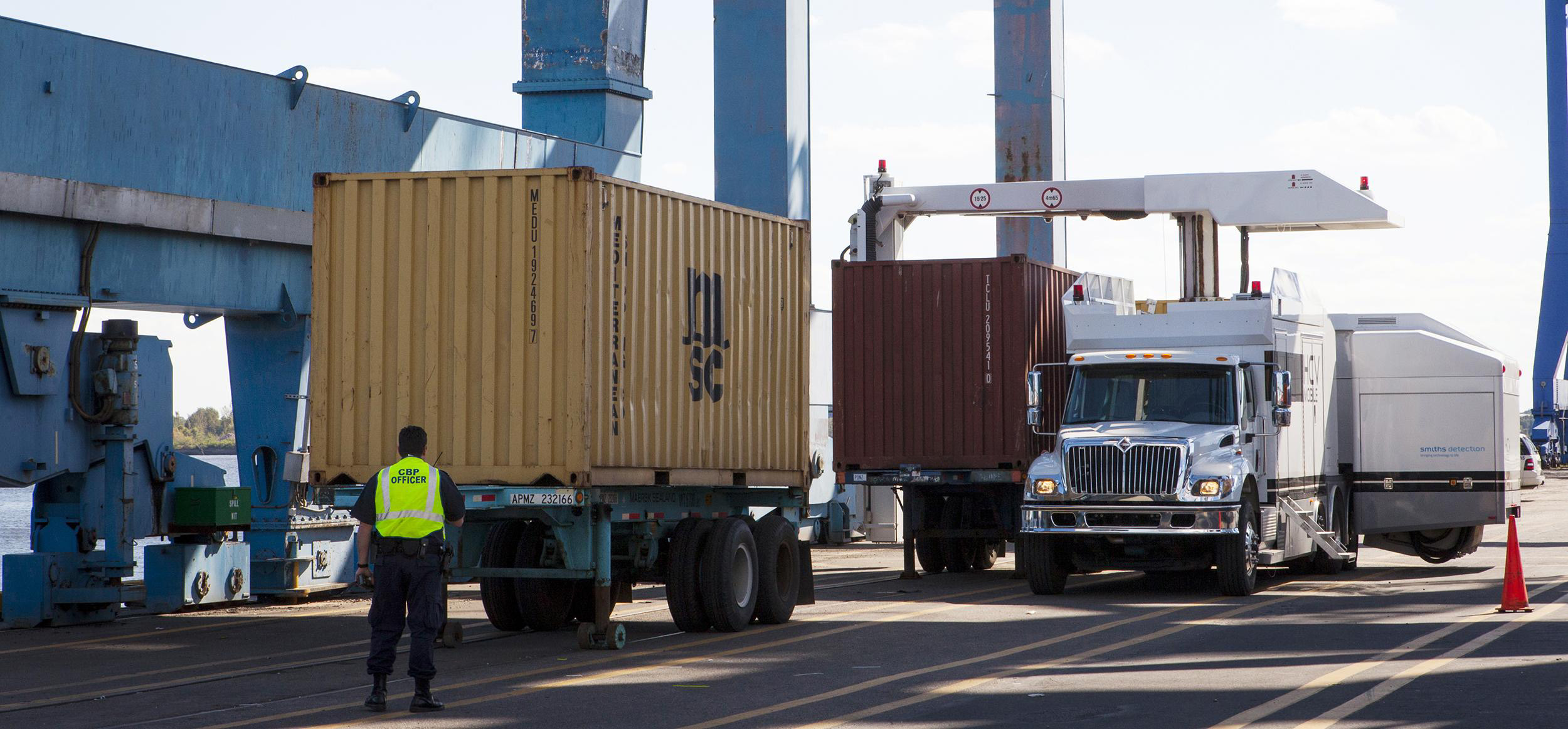
Shipping products without legal authorization can create serious consequences if detected during customs inspections.
Potential outcomes include:
Cargo seizure
U.S. Customs may hold or confiscate the shipment.
Financial penalties
Importers can face fines depending on the type and severity of the violation.
Destruction of goods
Counterfeit or infringing products may be destroyed by customs authorities.
Supply chain disruptions
Delayed or rejected shipments can impact inventory planning and customer commitments.
Long-term import risks
Repeated violations may increase inspection frequency on future shipments.
How Importers Can Reduce Risk
Before arranging international shipping, importers should take several precautionary steps:
- Confirm whether the product contains any protected brand names, logos, or designs.
- Request supporting documents from suppliers.
- Obtain brand authorization if necessary.
- Discuss product details with your freight forwarder before shipment.
- Verify compliance requirements for the destination country.
Early verification is usually far less expensive than resolving customs problems after goods arrive.
Final Thoughts
Low-cost products can sometimes become high-cost problems if compliance issues are ignored. Intellectual property protection in the U.S. is taken seriously, and customs authorities actively monitor potentially infringing shipments.
For importers, ensuring that products are legally authorized before shipment is not just a compliance issue—it is an important part of protecting your business, avoiding delays, and maintaining stable supply chain operations.