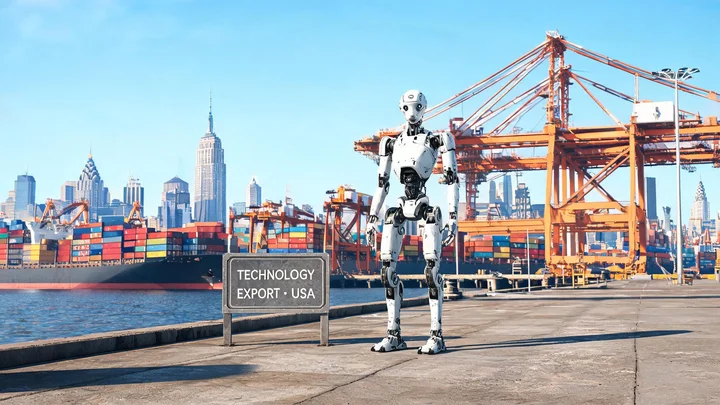
The U.S. government has announced new import restrictions covering certain Chinese-made humanoid robots, quadruped robots, and network-connected power inverters, citing national security and cybersecurity concerns.
Although the measures apply to specific categories of connected technology rather than all products manufactured in China, they highlight an important trend: trade compliance is becoming a critical part of global supply chain management.
For importers, this development is more than a policy update—it is a reminder that regulatory changes can directly affect purchasing decisions, customs clearance, and long-term sourcing strategies.
What Products Are Affected?
The latest restrictions focus on products that combine advanced hardware with network connectivity, including:
- Humanoid robots
- Quadruped robots
- Network-connected power inverters
- Other connected industrial equipment that may fall under future regulatory review
Businesses importing these products should closely monitor updates from U.S. regulators and confirm whether their products require additional approvals or documentation.
Does This Affect Every Importer?
No.
For most businesses importing products such as:
- Furniture
- Home décor
- Building materials
- Kitchenware
- Consumer goods
- General industrial products
the new measures do not change everyday shipping procedures.
However, companies involved in robotics, renewable energy equipment, AI devices, smart manufacturing, or connected electronics should evaluate potential compliance risks before arranging future shipments.
Compliance Is Now Part of Cost Control
Many importers focus on freight rates when planning shipments, but regulatory compliance has become another important factor affecting total landed cost.
Unexpected customs inspections, missing documentation, or regulatory changes can lead to:
- Shipping delays
- Additional storage charges
- Customs holds
- Unexpected import costs
Preparing in advance is often far less expensive than solving compliance issues after cargo arrives.
How Importers Can Prepare
Businesses importing technology products should consider the following steps:
- Review whether their products fall within newly restricted categories.
- Confirm product classifications and HS Codes.
- Verify that all certifications and technical documentation are complete.
- Stay informed about policy updates before placing new purchase orders.
- Work with experienced logistics and customs professionals who understand evolving trade requirements.
The Bigger Picture
Recent developments show that international trade is increasingly influenced by technology policy, cybersecurity, and national security considerations.
For importers, success is no longer determined only by finding the lowest manufacturing cost. It also depends on choosing reliable suppliers, maintaining regulatory compliance, and building a resilient supply chain capable of adapting to changing trade rules.
How TD Logistics Can Help
At TD Logistics, we monitor trade policy developments that may affect international shipments. Whether you are importing industrial equipment, consumer products, or advanced technology, our team provides reliable freight forwarding, customs support, warehousing, and door-to-door logistics solutions.
As regulations continue to evolve, staying informed and planning ahead can help protect your supply chain from unnecessary disruption.
If you have questions about shipping products from China to the United States, our team is ready to help you evaluate the most suitable logistics solution for your business.