
The latest U.S. executive order imposing tariffs on polysilicon and its derivatives is about more than increasing import costs—it’s another sign that global supply chains are continuing to shift toward strategic industries.
Polysilicon is a critical material for both semiconductors and solar energy, two sectors that have become central to economic competitiveness and national security.
While the policy aims to encourage more manufacturing in the United States, it also presents new challenges for businesses that rely on global sourcing.
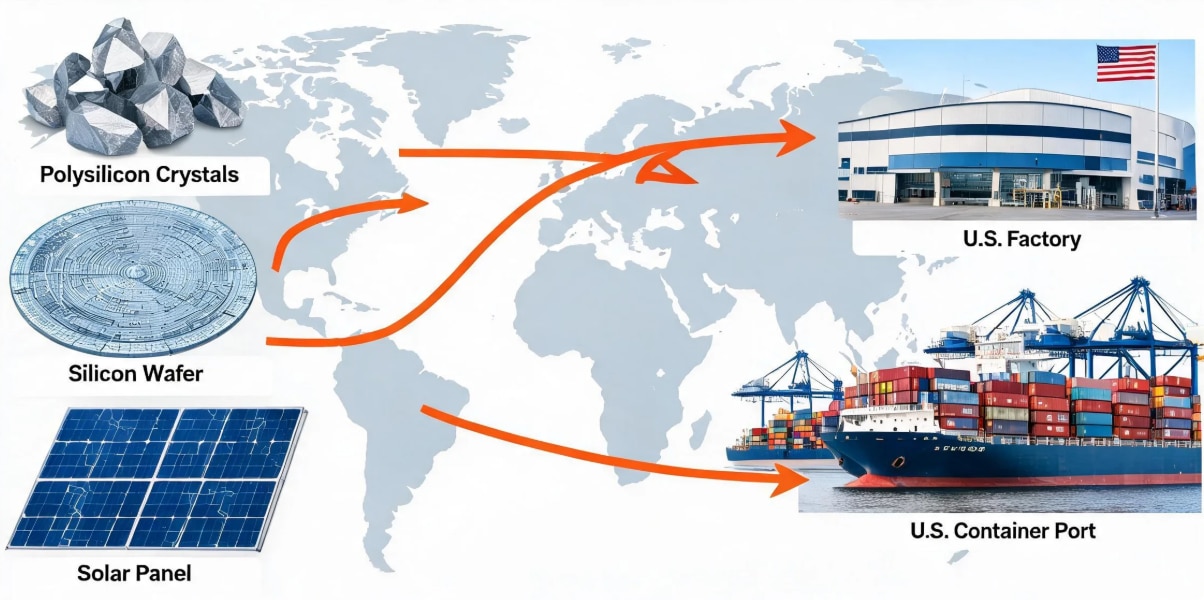
Here are a few key takeaways:
Supply chain diversification is becoming essential. Companies may need to evaluate alternative suppliers and manufacturing locations to reduce exposure to future trade policy changes.
Compliance is now a competitive advantage. Importers should pay closer attention to product origin, supplier transparency, and documentation as customs enforcement continues to tighten.
Cost is no longer the only factor. Stability, reliability, and regulatory compliance are increasingly influencing sourcing decisions alongside price.
Logistics planning matters more than ever. Trade policies can change faster than supply chains. Businesses that monitor regulatory developments and plan ahead will be better positioned to avoid unexpected costs and shipment delays.
Global trade is entering a new phase where resilience is just as important as efficiency. Companies that adapt early are more likely to remain competitive in an increasingly complex international market.