On July 31, 2026, the U.S. Department of Homeland Security (DHS) announced the largest expansion of the Uyghur Forced Labor Prevention Act (UFLPA) Entity List since the law took effect. The update adds 43 companies, bringing the total number of listed entities to 187.
For U.S. importers, this is more than just another regulatory announcement—it is a clear signal that customs enforcement continues to expand across industries and supply chains. Companies importing from China should review their sourcing strategies, supplier networks, and compliance documentation to reduce the risk of shipment delays, examinations, or detention.
What Is the UFLPA?
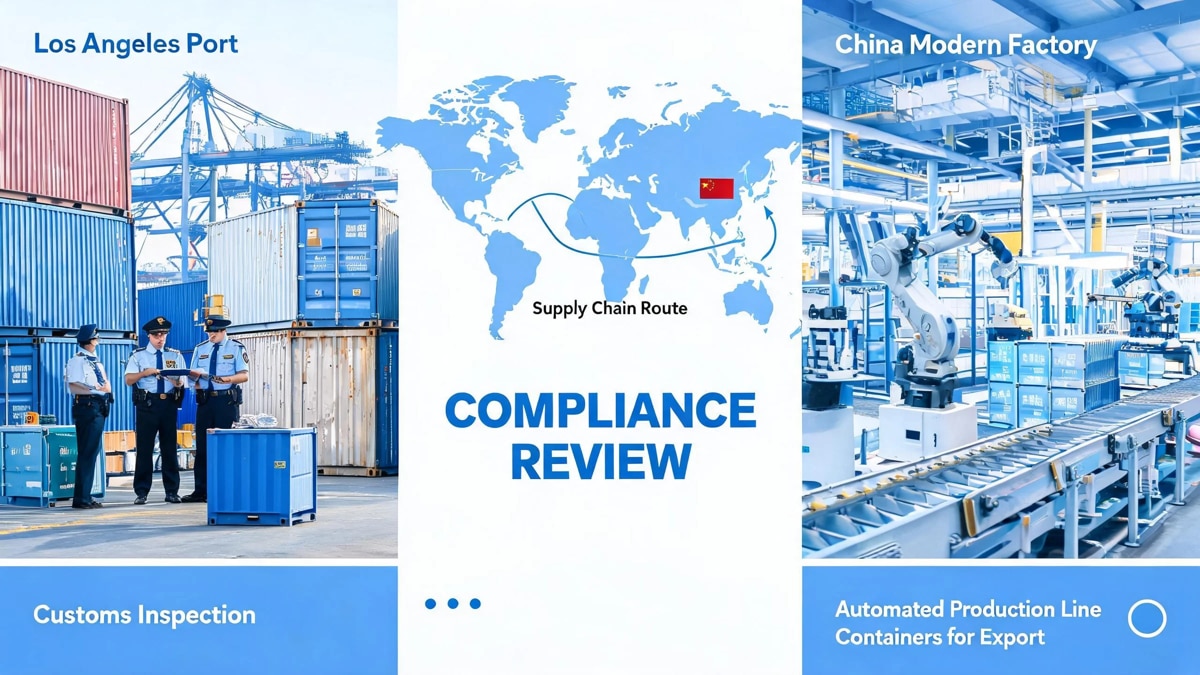
The Uyghur Forced Labor Prevention Act (UFLPA), which took effect in June 2022, establishes a legal presumption that goods mined, produced, or manufactured wholly or in part by entities connected to forced labor cannot be imported into the United States.
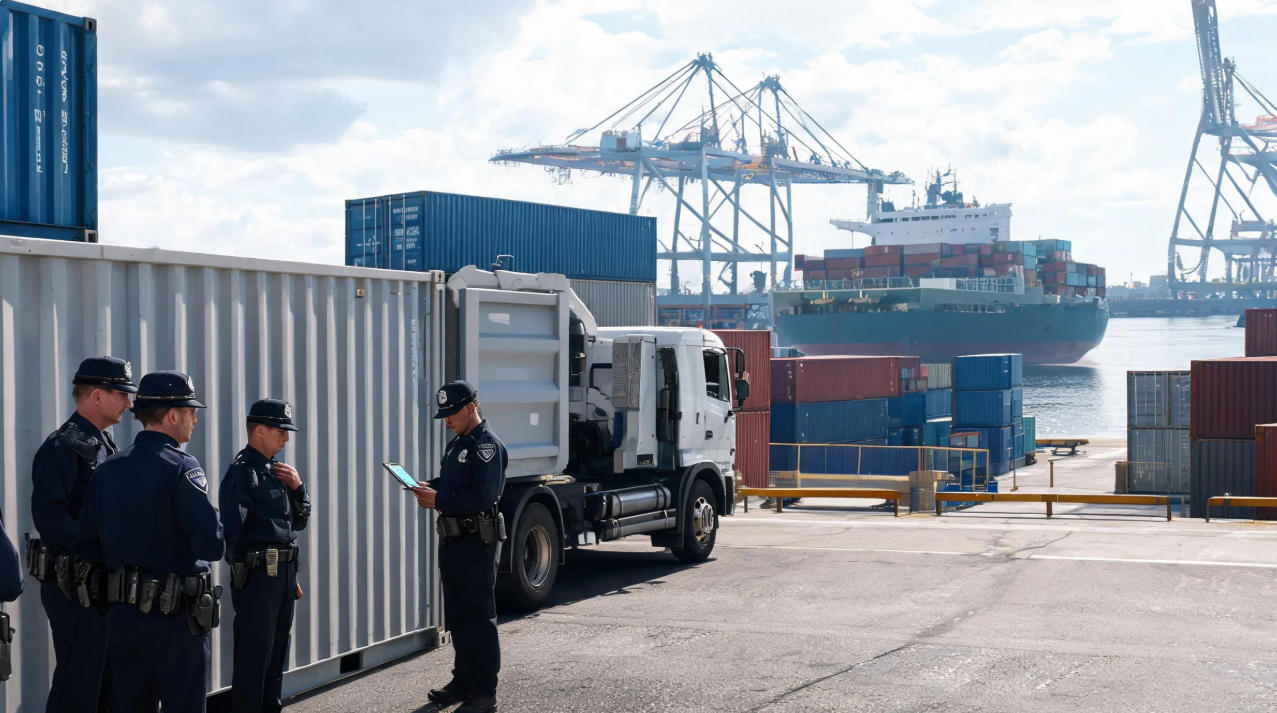
Under this framework, U.S. Customs and Border Protection (CBP) may detain shipments when there is reason to believe they are linked to listed entities or prohibited supply chains. Importers bear the burden of providing sufficient evidence to demonstrate that their products comply with U.S. law.
In practice, compliance is no longer limited to your direct supplier. Businesses are increasingly expected to understand where their raw materials originate and how their products are manufactured throughout the supply chain.
What’s New in the Latest Expansion?
The newest update significantly broadens the industries covered by the UFLPA Entity List.
Newly added companies are involved in sectors such as:
- Seafood
- Frozen food
- Cotton and textiles
- Gold
- Copper
- Aluminum
- Transportation infrastructure
- Agricultural products
This broader industry coverage reflects a continuing shift from targeting individual manufacturers to examining entire supply chains.
Why This Matters to Importers
Many importers assume that if their direct supplier is not listed, they are unaffected. Unfortunately, that assumption can create significant compliance risks.
Today’s global manufacturing networks are highly interconnected. A finished product may involve components, raw materials, or processing performed by multiple suppliers across different provinces or countries.
For example:
- An aluminum product may use raw materials supplied by a listed entity.
- Textile products may contain cotton sourced from multiple locations.
- Seafood products may be processed by several facilities before export.
- Industrial equipment may include components purchased from upstream manufacturers.
Even when the exporter is not on the Entity List, upstream sourcing may still become a compliance concern.
Potential Business Risks
Importers should be prepared for several possible consequences if their supply chain cannot be adequately documented.
Shipment Delays
CBP may hold shipments while requesting additional documentation regarding sourcing and manufacturing.
Increased Costs
Storage charges, demurrage, examination fees, and production delays can quickly increase overall logistics costs.
Customer Impact
Late deliveries can affect inventory planning, production schedules, and customer satisfaction.
Compliance Exposure
Repeated customs issues may increase future inspections and administrative burdens.
Best Practices for Importers
Rather than reacting after shipments are detained, companies should strengthen compliance before goods are exported.
- Review Your Supplier Network
Understand not only who your direct supplier is, but also where critical raw materials and components originate.
- Improve Supply Chain Traceability
Maintain documentation such as:
- Bills of Materials (BOM)
- Purchase orders
- Production records
- Supplier declarations
- Manufacturing process documentation
- Material origin records
Clear documentation can significantly improve your ability to respond to customs inquiries.
- Evaluate High-Risk Products
Industries with complex sourcing structures deserve additional attention, particularly:
- Textiles and apparel
- Food products
- Metals
- Electronics
- Building materials
- Consumer products
- Stay Informed
Trade regulations evolve frequently. Monitoring official announcements helps businesses identify potential risks before shipments depart.
The Logistics Perspective
Although freight forwarders cannot provide legal advice, experienced logistics partners can help businesses prepare for smoother customs processes by:
- Reviewing shipping documentation before departure
- Identifying products that may require additional compliance review
- Coordinating with customs brokers
- Improving document consistency across commercial invoices, packing lists, and shipping records
- Helping importers plan alternative routing or sourcing strategies when necessary
Early preparation is often less expensive than resolving customs issues after cargo arrives.
Looking Ahead
The latest UFLPA expansion demonstrates that supply chain compliance is becoming an increasingly important part of international trade.
For companies importing from China, success is no longer measured solely by finding competitive prices or reliable manufacturers. Understanding the complete supply chain—and maintaining accurate documentation—has become equally essential.
Businesses that invest in supplier transparency today are likely to experience fewer customs disruptions, lower compliance risks, and more predictable logistics operations in the future.